

The 8kW vs 10kW solar system Philippines debate has a simple answer — and it starts with one number. Pull out your last three Meralco bills. That monthly average, in pesos, tells you almost everything your installer won't. Not your neighbor's setup. Not the sales brochure. Your actual singil sa ilaw.
- PHP 5,000–8,000/month Meralco bill → 8kW is enough
- PHP 8,000–12,000+/month → step up to 10kW
- 8kW installed cost: PHP 350,000–450,000 | 10kW: PHP 420,000–550,000
- Both sizes share a similar 5–7 year payback period
- Roof space and future load plans are the tiebreakers
Magkano ang Singil Mo? How to Know Which Size You Actually Need
Here's the rule: PHP 5,000–8,000 monthly bill puts you squarely in 8kW territory. Cross PHP 8,000–9,000 consistently, and 10kW earns its premium.
The math behind it is straightforward. Philippine conditions average around 5.5 peak sun hours daily across most of Luzon and the Visayas. At that rate, an 8kW system generates 960 to 1,100 kWh per month. A 10kW system pushes that to 1,200–1,375 kWh. On paper, 25% more capacity sounds decisive. In practice, the typical 3–4 bedroom Filipino home — two aircon units, a refrigerator, washing machine, standard lighting — lands well within what 8kW covers. The 10kW gap only closes if your consumption genuinely demands it.
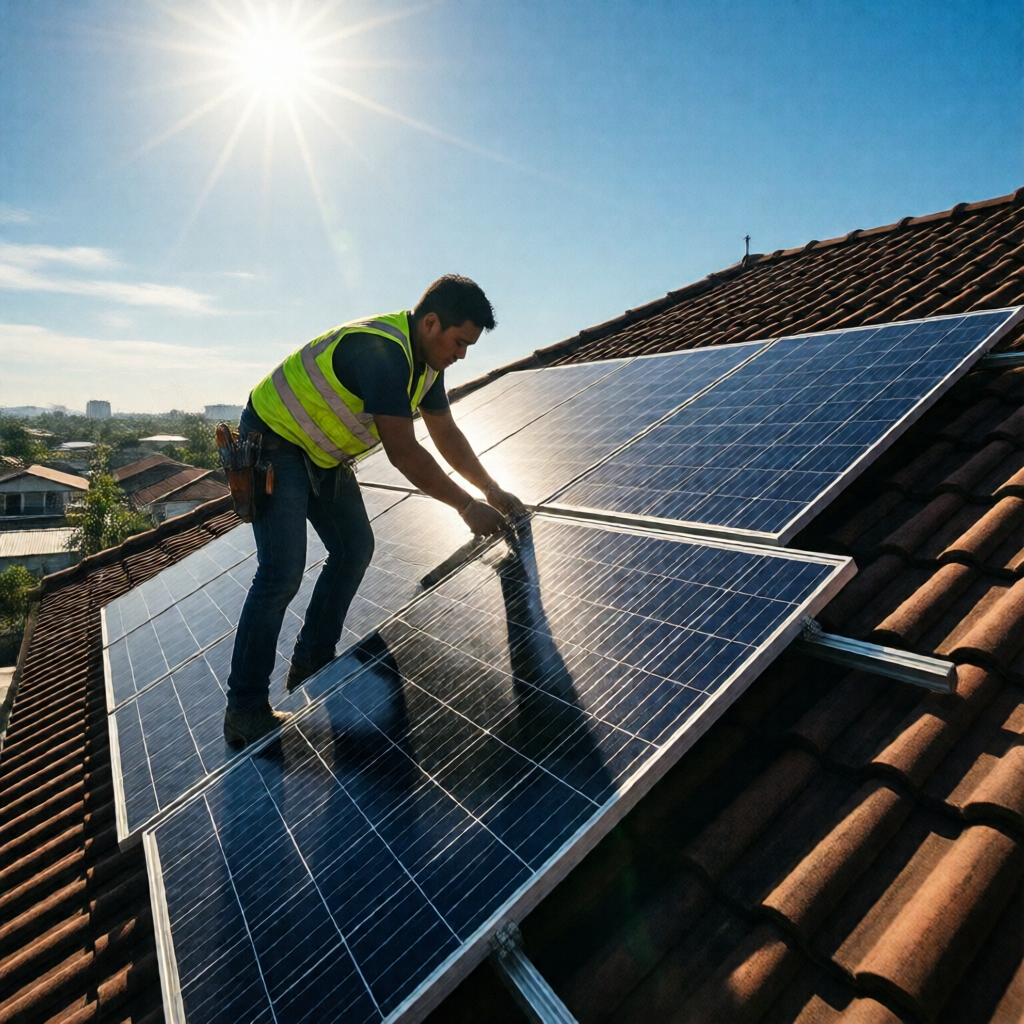
| Feature | 8kW System | 10kW System |
|---|---|---|
| Avg monthly output | 960–1,100 kWh | 1,200–1,375 kWh |
| Ideal Meralco bill range | PHP 5,000–8,000/mo | PHP 8,000–12,000+/mo |
| Roof space needed | ~45–50 sqm | ~55–65 sqm |
| Best for | 3–4BR homes, standard loads | Large homes, high usage, future EV/business load |
Sulit Ba? The Real PHP Cost Breakdown in 2026
Honest numbers first. A complete 8kW solar installation — panels, hybrid inverter, mounting hardware, labor — runs PHP 350,000 to PHP 450,000 all-in as of 2026. A 10kW system lands at PHP 420,000 to PHP 550,000. The gap: roughly PHP 70,000–100,000 for 25% more capacity. Real, but not dramatic.
Savings are where it gets interesting. An 8kW system cuts your monthly Meralco bill by PHP 4,500 to PHP 6,500. A 10kW system pushes that to PHP 5,500–8,000 per month. Both sizes return your investment in 5–7 years. The larger system does not pay itself off faster — the ratio holds.
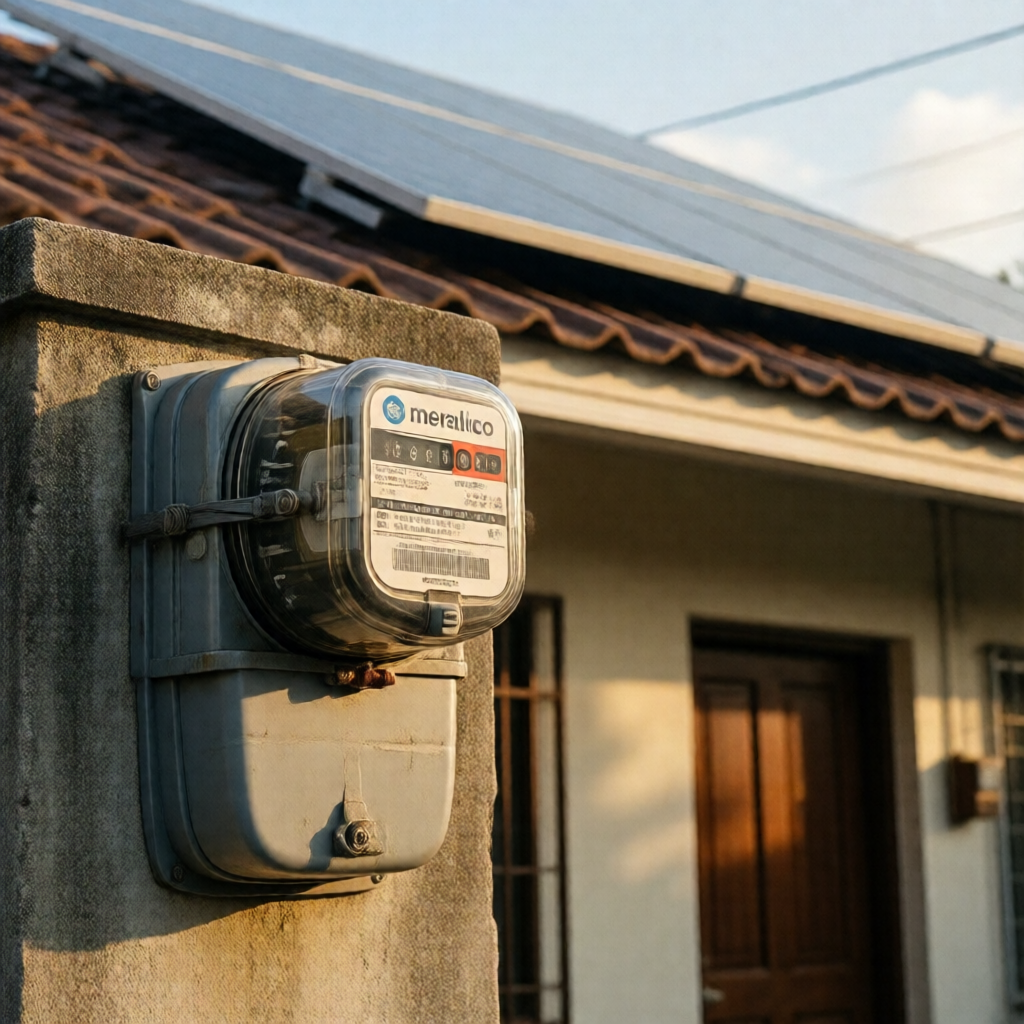
Net metering changes the equation further. Under the Renewable Energy Act, surplus kuryente your panels produce gets sold back to Meralco or VECO at the prevailing retail rate. A well-positioned system can push your net bill toward zero for several months of the year — on top of your direct savings.
"The right solar system size isn't the biggest one you can afford — it's the one that matches your actual kuryente consumption today, with room to grow."
Paano Pumili: The 3-Factor Decision
Three checks. Run through them fast.
Consider Jessa and Rey, a couple from Cavite (a composite of homeowners we work with regularly). Monthly bill: PHP 7,200. Two aircon units, a large ref, washing machine. Roof: 48 sqm, south-facing, clean. Classic 8kW household. They installed mid-2024. Their Meralco bill dropped below PHP 1,500 most months. They never looked back at the 10kW upsell.

Under the Philippines' Renewable Energy Act (RA 9513), qualifying residential solar owners can sell surplus electricity back to their distribution utility — Meralco, VECO, or local electric coops — at the same rate they buy it.
Most Filipino homes spend PHP 5,000–9,000 per month on kuryente. For that range, 8kW hits the sweet spot — lower upfront cost, same payback window, and enough output to cover standard household consumption with headroom to spare.
Meralco bill below PHP 8,000 a month and 45+ sqm of clear roof? The 8kW system is your answer in 2026. Step up to 10kW only if your bill runs consistently higher, your roof handles it, or significant new loads are coming. Either size delivers a solid return. Oversizing means paying for capacity you'll never use.
Mga Tanong? Frequently Asked Questions
Kaya ba ng 8kW solar system ang dalawang aircon?
Yes. Two standard 1.5HP inverter aircon units running simultaneously, plus a refrigerator, washing machine, and lights — an 8kW system handles that load without strain. The key check remains your Meralco bill: below PHP 8,000 a month means your total consumption aligns with what 8kW generates.
Is a 10kW solar system worth the extra cost in the Philippines?
Only in three situations: your monthly bill consistently clears PHP 9,000, you're adding significant load within two years, or your roof has the space and you want the buffer. Otherwise, the extra PHP 70,000–100,000 upfront stretches your payback without changing your day-to-day experience. For most Filipino households, 8kW delivers better value per peso.
Can I add more panels later if I start with 8kW?
It depends on your inverter. Popular Philippine hybrids — Sungrow, Deye — support expansion, but each model has wattage ceilings. Going significantly beyond 8kW often means a larger inverter, not just more panels. Discuss expansion plans with your installer upfront so conduit and wiring are sized for future growth from day one.
Both system sizes make solid financial sense for Philippine homeowners in 2026. The only question is which one fits your roof, your bill, and your five-year plan. Get a proper site assessment before committing to either.
Find out exactly which size fits your home.
LakaSolar will assess your roof, review your Meralco bills, and give you a no-obligation size recommendation — free.
Get a Free Solar Quote from LakaSolarQuick Savings Estimate
Get a Free Quote
Custom system design


