Excerpt: Solar panel maintenance in the Philippines comes down to simple habits: clean panels when buildup is visible, inspect after rough weather once it’s safe, and catch inverter or wiring issues before they raise your electric bill.
One dusty dry spell, one week of bird droppings, then a few hard rains. That’s enough to turn a good solar setup into a disappointing one, and most owners only notice when the Meralco or VECO bill looks higher than expected.
Here’s the short answer: solar panel maintenance in the Philippines is simple, but it has to match local conditions. Clean when dirt is clearly affecting the surface, watch for moisture and rust, check mounting and cables after bad weather, and pay attention to inverter alerts before small issues become expensive ones.
TL;DR
- Heat is not the only issue. Dirt, trapped moisture, salt air, and loose hardware are the usual troublemakers.
- Clean during cooler hours with clean water and a soft cloth. Skip pressure washers and harsh chemicals.
- Do a monthly visual check, inspect after storms when the area is safe, and book professional service about once a year.
- If output drops or your bill rises without a clear reason, investigate early.
Paano alagaan ang solar panels sa init at halumigmig?
If you own solar here, your routine should be built around heat, humidity, dust, salt air, and heavy rain. Panels are made for outdoor use, but tropical exposure can speed up grime buildup, corrosion on hardware, and wear on cable protection if nobody checks them.
Most owners get tripped up by the phrase “low maintenance.” It does not mean “ignore it.” It means the job is small and repeatable.
The rule is simple: keep the panel surface clear, stop moisture-related issues from spreading, and catch hardware or wiring problems early. If panels are covered by grime, droppings, or new tree shading, they still work, but they can quietly produce less power.
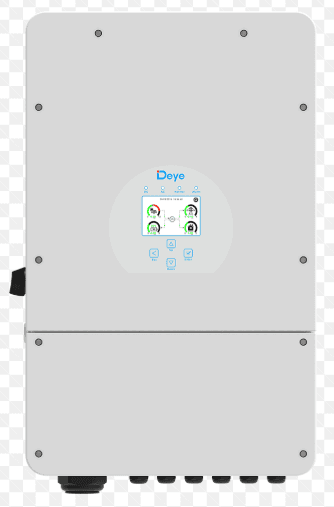
That’s why it helps to compare your system against practical references like solar panel installation costs in the Philippines, how net metering works, and common inverter warning signs. A weak system often shows up first as a higher bill, not a dramatic shutdown.
A clean solar system doesn’t just look better. It protects the kuryente savings you paid for.
Paano linisin ang solar panels nang safe at tama
The safest cleaning routine is boring, which is exactly what you want. Clean early morning or late afternoon when panels are cooler. Use clean water and a soft sponge, soft brush, or microfiber cloth.
Avoid stiff brushes, bleach, solvents, and pressure washers. They can damage seals, scratch surfaces, or hit nearby wiring and mounts harder than necessary. And no, this is not the moment to prove you’re fearless on a slippery roof.
- Start with safety. If the roof is steep, wet, or hard to access, call a pro.
- Rinse loose dirt first with clean water.
- Wipe gently and focus on bird droppings, sticky dust, and leaf stains.
- While cleaning, look for cracks, rust marks, exposed cables, or loose clamps.
How often? There isn’t one perfect national schedule. For many homes, cleaning every few months is a practical starting point, then adjust based on what you actually see. Near highways, coastal areas, construction, trees, or frequent bird activity, buildup can happen faster. For commercial sites or larger rooftops, it often makes sense to bundle cleaning with a professional inspection. If that’s your setup, our page on commercial solar systems in the Philippines is the better next read.
Also, avoid washing panels at peak noon heat. Cooler hours are preferred because they’re safer for the person cleaning and gentler on the system overall.
Ano ang maintenance checklist para sa Philippine conditions?
You do not need a complicated logbook. You need a short routine you’ll actually follow.
| When | What to check |
|---|---|
| Monthly | Visible dirt, bird droppings, new shading, inverter alerts |
| As needed | Clean when buildup is obvious or output trends down |
| After storms | From a safe distance, check for shifted panels, loose mounts, cracked glass, cable wear, and water near the inverter |
| Annually | Professional electrical and structural inspection |
After a bagyo, don’t lock yourself into a “within 24 hours” rule. Inspect once conditions are safe and the roof can be checked without risk. If you see hanging wires, broken glass, or anything shifted, stop there and book service.
Mga tanong na madalas lumabas bago pa tumaas ang bill
How often should I clean solar panels in the Philippines?
For many homes, every few months is a sensible baseline, then adjust based on visible dirt, bird droppings, nearby construction, coastal salt, or falling output.
Can I clean solar panels myself, or should I hire a professional?
DIY is fine for safe, easy-to-reach roofs. For steep roofs, tall buildings, or anything involving wiring, mounts, or inverter faults, hire a professional.
Does heat and humidity in the Philippines damage solar panels?
Normal tropical heat alone is usually not the main problem. The bigger risks are moisture intrusion, corrosion, grime, and neglected hardware.
Why is my electric bill higher even though the panels still look okay?
Because solar issues often show up as lower production, not obvious failure. Dirt, shading, or inverter warnings can quietly push you back to buying more grid power.
Conclusion
Well-maintained solar panels keep doing the job you bought them for: lowering your kuryente bill without drama. The winning routine is simple: check the system monthly, clean based on real buildup, inspect after rough weather when it’s safe, and don’t ignore unexplained drops in production.
Need help checking if your system is underperforming?
A proper inspection can confirm whether dirt, shading, wiring, or moisture issues are dragging down your solar output before your next bill arrives.
Quick Savings Estimate
Get a Free Quote
Custom system design