
Your neighbor went solar. Their Meralco bill dropped PHP 6,000. Now you're doing the math — magkano ba talaga? Not the panel price on Shopee. The actual all-in solar panel installation cost in the Philippines: panels, inverter, labor, wiring — every peso on the table. That's exactly what this breaks down.
- A 3kW system (small home, 1–2 aircon) costs roughly PHP 180,000–250,000 fully installed
- A 5kW system (average family, 3 aircon) runs PHP 280,000–380,000 all-in
- An 8–10kW system (larger home or small business) starts at PHP 420,000+
- Battery storage adds another PHP 80,000–150,000
- Most homeowners break even in 5–8 years — then enjoy free kuryente for 20+ more
Magkano ang Solar Installation? (2026 Price Summary)
Every figure below is a total installed cost — panels, inverter, labor, wiring, all of it. Battery storage is listed separately because not every home needs it.
| System Size | Typical Use Case | Installed Cost (PHP) | Est. Monthly Savings |
|---|---|---|---|
| 3 kW | Small home, 1–2 aircon | PHP 180,000–250,000 | PHP 2,500–4,000 |
| 5 kW | Average family, 3 aircon | PHP 280,000–380,000 | PHP 5,000–8,000 |
| 8 kW | Larger home / small business | PHP 420,000–550,000 | PHP 8,000–13,000 |
| 10 kW+ | Commercial / business | PHP 600,000+ | PHP 15,000+ |
Ano ang Kasama sa Installation Cost? (What's Included)
Many buyers see a panel price and assume that's the bill. It's a fraction. A full solar installation has four moving parts — and the gap between the cheapest and the smartest choice can run to PHP 100,000 or more.
| Roof Type | Difficulty | Labor Estimate |
|---|---|---|
| Flat concrete (azotea) | Easiest | PHP 20,000–30,000 |
| Pitched G.I. sheet roof | Moderate | PHP 28,000–40,000 |
| Tile or complex roof | Highest | PHP 38,000–50,000+ |
VECO and most provincial utilities run longer brownout windows than Metro Manila. Outside NCR, a battery add-on often pays back faster — kuryente savings combined with eliminated productivity losses from outages make the ROI case airtight.
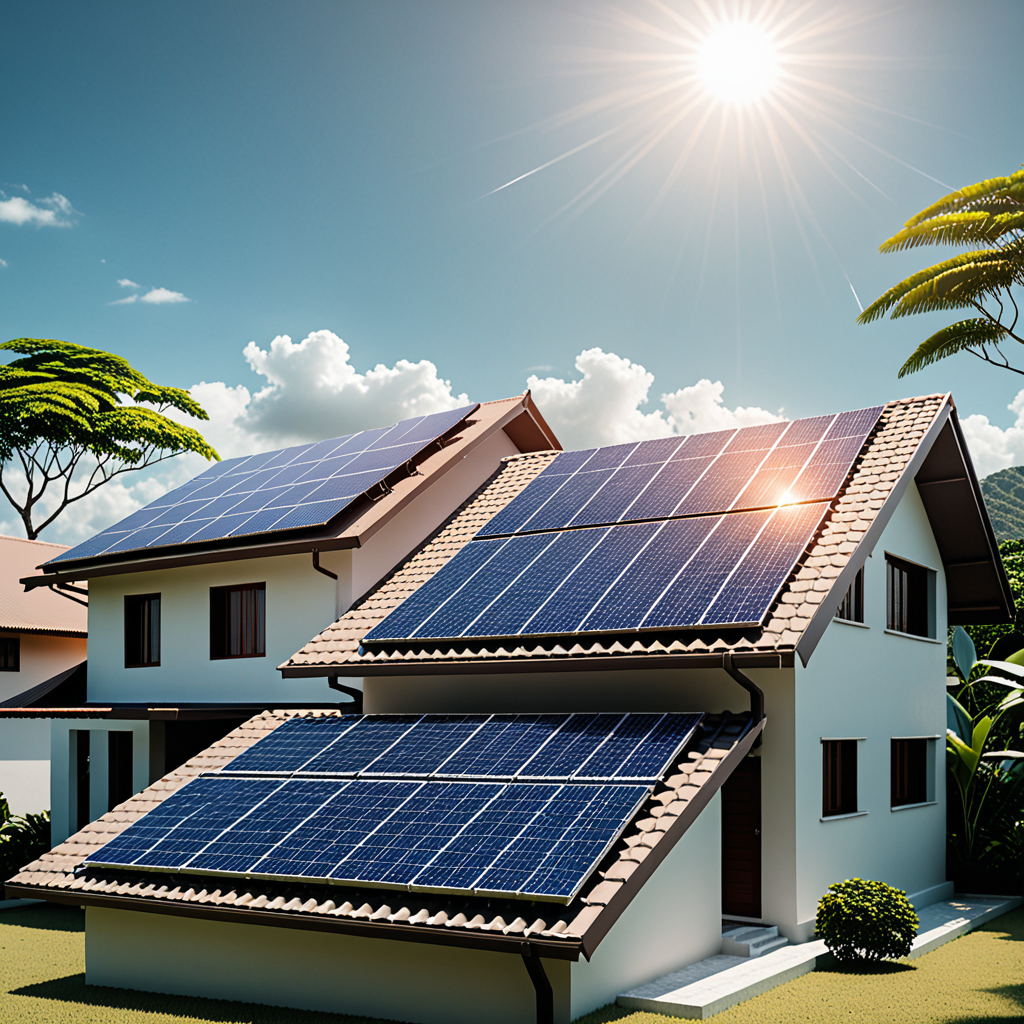
Sulit Ba? Payback Period at ROI
"Most Filipino homeowners break even on their solar investment in 5–8 years — then enjoy dramatically lower kuryente costs for 20 years more."
- Monthly Meralco bill: PHP 10,000
- Solar savings: ~PHP 6,000/month
- System cost: PHP 330,000
- Payback: ~4.5 years
- Monthly Meralco bill: PHP 4,500
- Solar savings: ~PHP 2,500/month
- System cost: PHP 210,000
- Payback: ~7 years
Both are sulit. Meralco rates have climbed every year for a decade — that trajectory isn't reversing. Every month you wait, you're paying Meralco instead of yourself.
Net metering lets you sell surplus generation back to your distribution utility, tightening the payback window further. It requires a separate application, but any reputable installer will walk you through it.
Quick sanity check: Divide your total system cost by your expected annual savings to get your payback years. So a PHP 330,000 system saving PHP 72,000/year (PHP 6,000 × 12) breaks even in about 4.5 years.
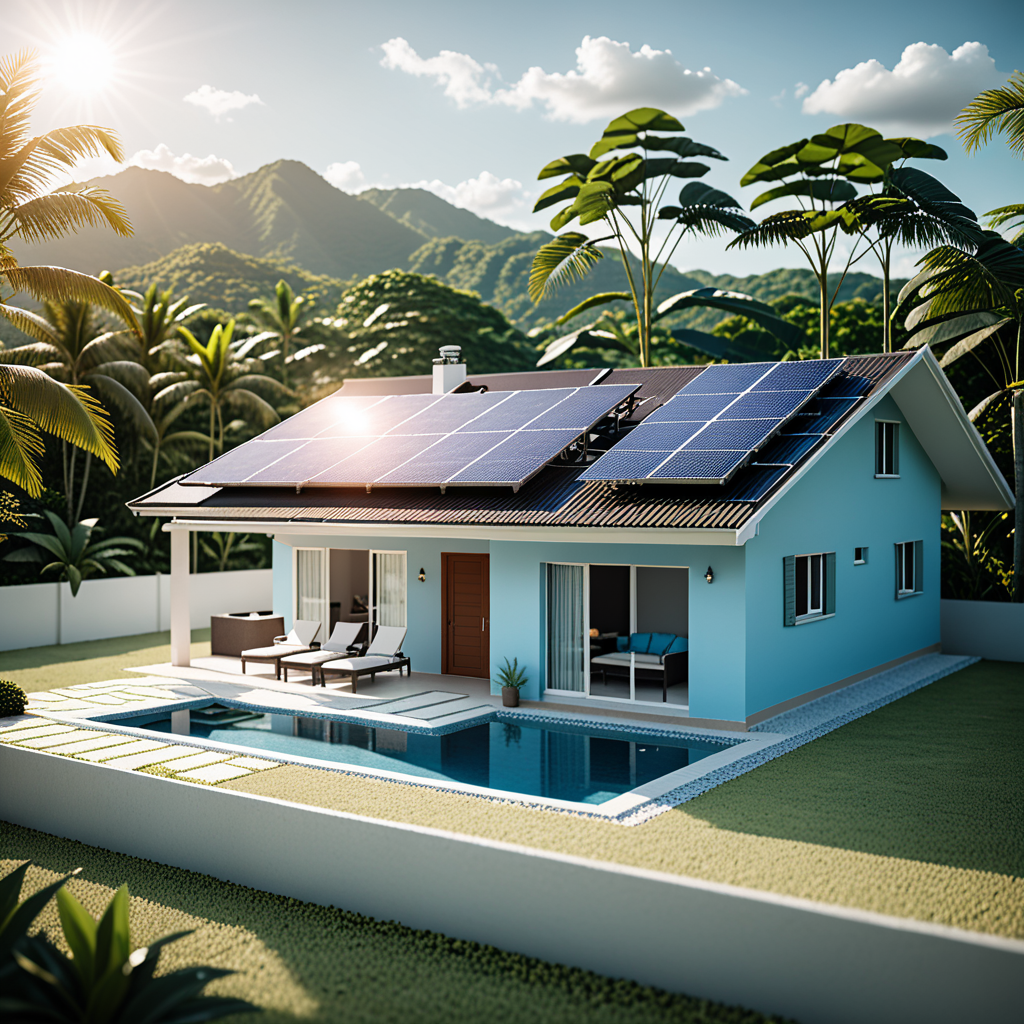
Paano Makakuha ng Tama at Sulit na Quote?
- Demand an itemized quotation — panels, inverter, labor, and wiring broken out separately. If an installer won't do this, that's your answer right there.
- Verify DOE accreditation — non-accredited installers can void warranties and may disqualify you from net metering.
- Lock down warranty terms in writing — minimum 10-year product warranty on panels, 5 years on the inverter. Get it in the contract.
Frequently Asked Questions
Magkano ang solar panel installation sa Pilipinas in 2026?
A complete residential solar installation runs PHP 180,000–550,000 depending on system size (3kW to 10kW), covering panels, inverter, labor, and wiring. Battery storage is separate and adds PHP 80,000–150,000.
Does roof type affect solar installation cost?
Significantly — flat concrete azotea roofs are the cheapest to install on, while tile or complex pitched roofs can add PHP 20,000–30,000 in labor over the flat-roof baseline.
How long is the payback period for solar in the Philippines?
Most Filipino homeowners recover their investment within 5–8 years, then enjoy 15–20 more years of dramatically reduced kuryente costs.
Is battery storage worth the extra cost in the Philippines?
For grid-connected homes with stable power and net metering access, batteries are optional. For areas with frequent brownouts — common outside Metro Manila — a battery bank delivers genuine resilience worth the PHP 80,000–150,000 outlay.
What government incentives apply to solar installations in the Philippines?
The Renewable Energy Act (RA 9513) exempts solar equipment from VAT and import duties, already baked into installer quotes. Net metering under the ERC also lets you sell surplus power back to your utility at a set rate.
Solar installation in the Philippines pays off — especially now, with Meralco rates near record highs and brownouts still a reality outside NCR. Most homeowners recover their full investment in 5–8 years, then enjoy free kuryente for two more decades. Get a proper quote, compare your options, and make the singil work for you instead of against you.
Ready to see your actual savings? Get a free, itemized quote from LakaSolar.
Get a Free Solar Installation QuoteQuick Savings Estimate
Get a Free Quote
Custom system design