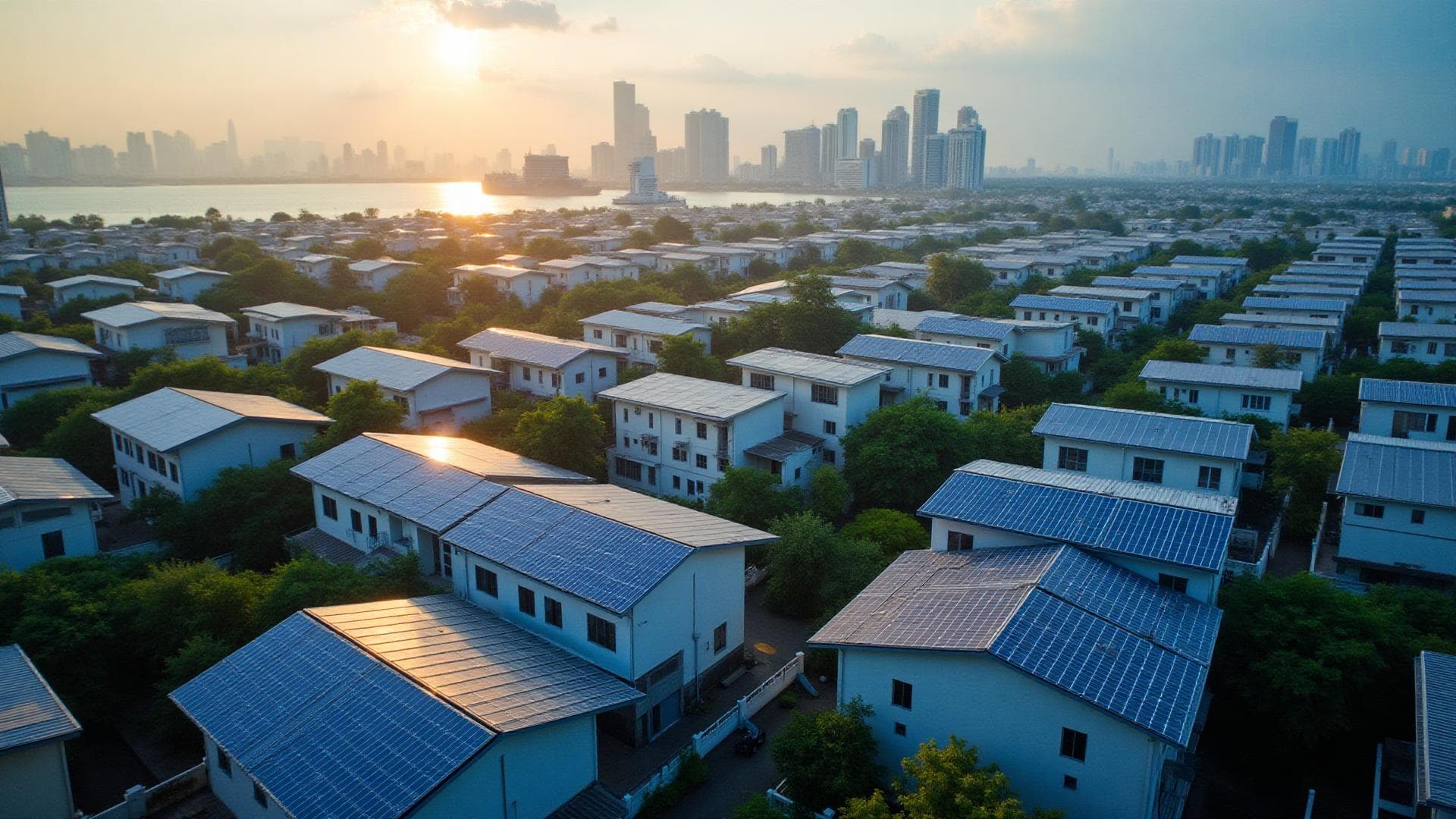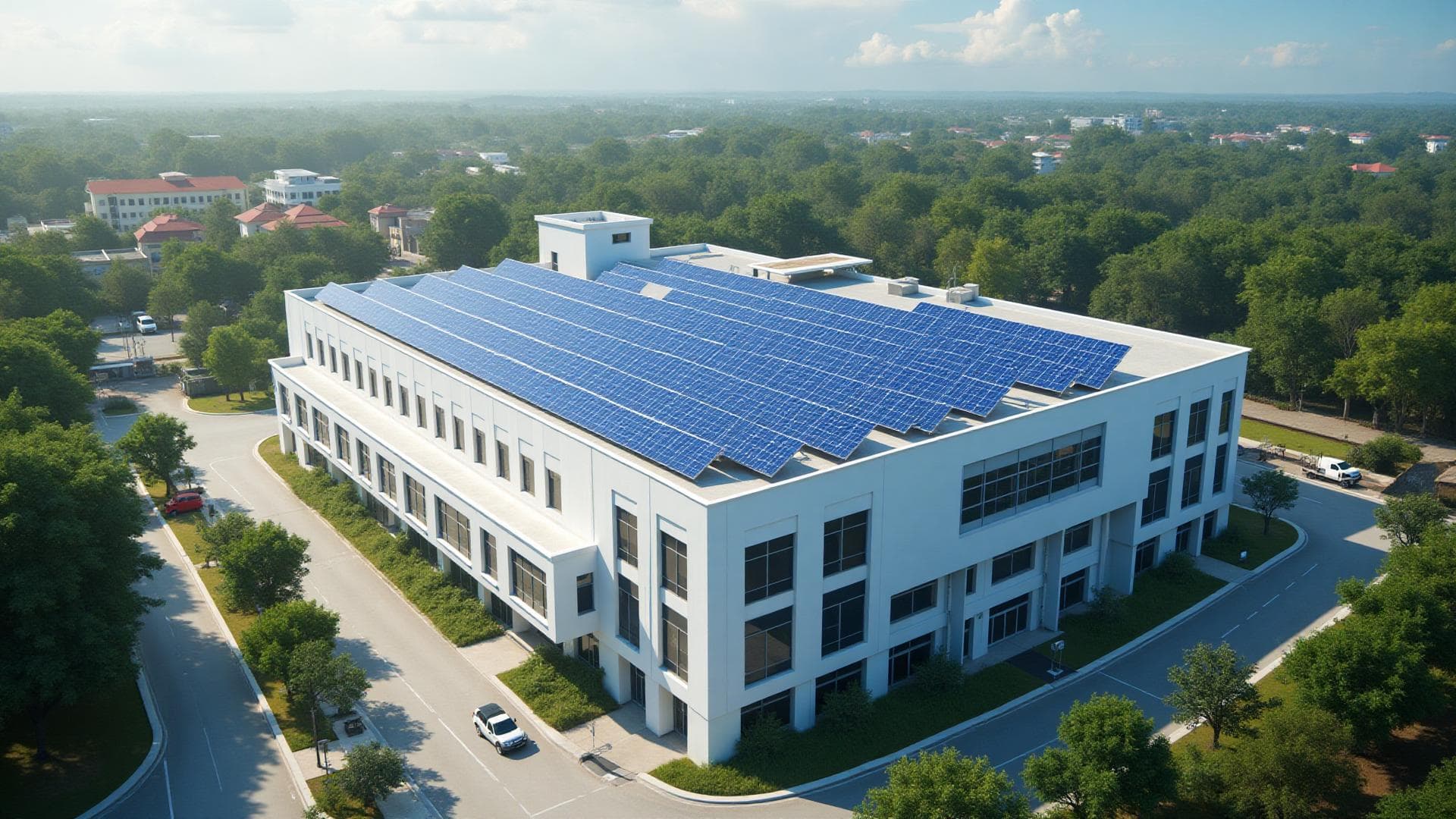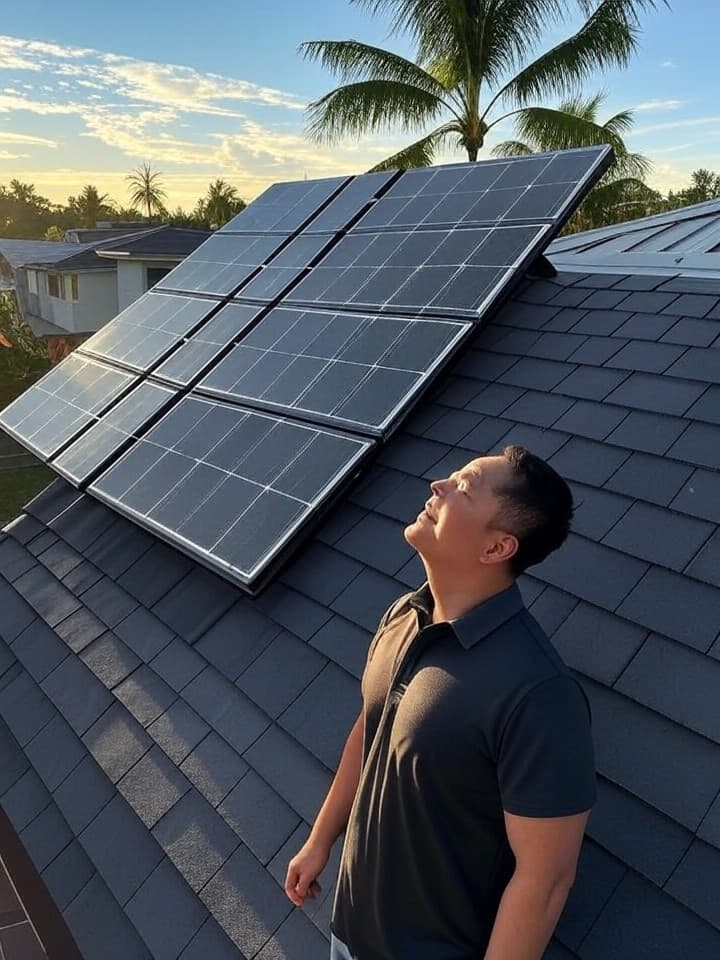

9 PM. The brownout hits. The ref shuts off, the fan stops, and the kids are sweating through their shirts. You're scrolling your phone hunting for a flashlight app. If that scene is familiar, a solar home battery Philippines households are now choosing is exactly what you need — not a generator you have to babysit with fuel, not a UPS that folds in 20 minutes. A proper LiFePO4 battery that keeps your home running while the rest of the block sits dark.
- LiFePO4 is the safest, longest-lasting chemistry for Philippine homes — 3,000–6,000 charge cycles, zero thermal-runaway risk.
- The standard residential size is 51.2V 100Ah (5.12 kWh), running PHP 35,000–55,000.
- One unit powers lights, fans, and a ref for 6–8 hours straight.
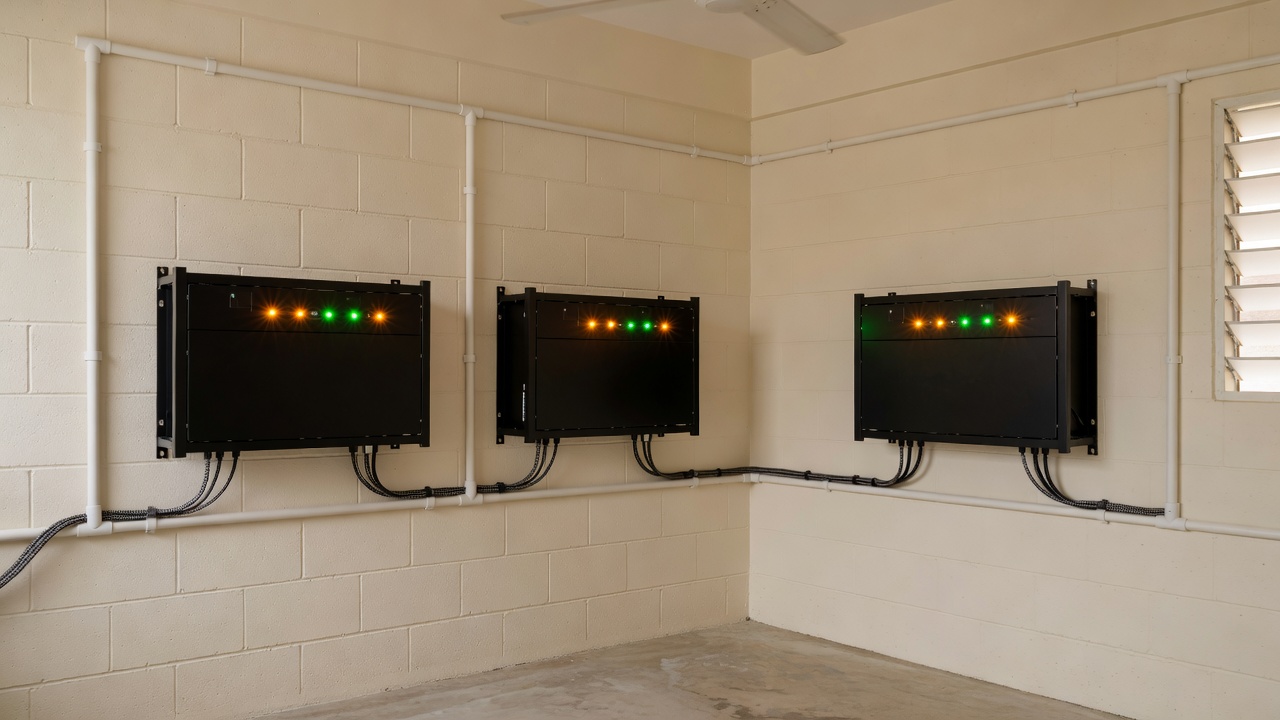
- Stack two units (10.24 kWh) for full overnight backup.
- Battery-only suits renters and brownout-heavy areas. Full hybrid solar wins if you own your home and your bill clears PHP 3,000/month.
Ano ang LiFePO4 Home Battery? (At Bakit 51.2V ang Sikat)
LiFePO4 — lithium iron phosphate — is the chemistry inside every serious home battery on the market today. Forget the headlines about lithium cells catching fire. That's a different chemistry. LiFePO4 doesn't overheat, doesn't experience thermal runaway, and doesn't require a fire extinguisher mounted next to it. That matters enormously when you're bolting a battery pack inside a home in Cebu or Cavite.
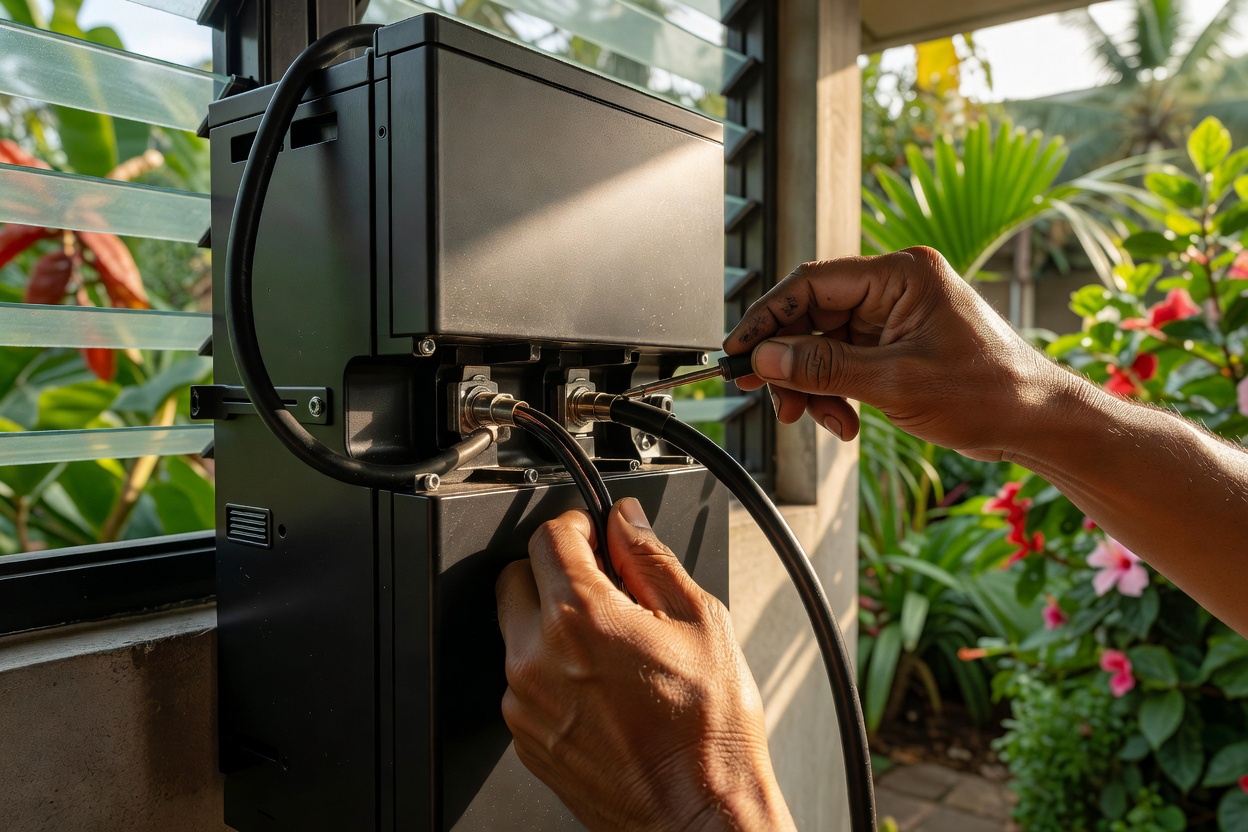
The 51.2V configuration became the Philippine residential standard because it pairs directly with the hybrid inverters Filipino installers trust most — Sungrow, Growatt, Deye. The math is clean: one 100Ah battery at 51.2V gives you roughly 5.12 kWh of usable power. Kapag nagbrownout, may kuryente ka pa rin. That's the whole pitch, and it holds up.
Magkano? Battery Sizes, Capacities & PHP Price Ranges
| Capacity | Usable kWh | Typical Use Case | Price Range (PHP) |
|---|---|---|---|
| 1×51.2V 100Ah | 5.12 kWh | Lights, fans, ref — 6–8 hrs backup | PHP 35,000–55,000 |
| 2×51.2V 100Ah (stacked) | 10.24 kWh | Adds TV, router — full overnight coverage | PHP 65,000–95,000 |
| 3×51.2V 100Ah (stacked) | 15.36 kWh | Near full-home backup, small aircon possible | PHP 90,000–135,000 |
Prices vary by brand and installer. Confirm current pricing with your supplier.
Battery-Only vs Full Hybrid Solar — Alin ang Sulit para Sa Iyo?
- Frequent Meralco or VECO brownouts are your main problem
- You're renting — rooftop panels aren't an option
- Budget is under PHP 60,000 and you need backup now
- You own your home and have usable rooftop space
- Your singil sa ilaw tops PHP 3,000/month
- You're playing the long game — ROI over 5–8 years
"Kung mataas na ang iyong bill at may rooftop ka — go hybrid. Kung brownout lang ang problema — battery muna, panels later."
This is how most customers actually do it. A homeowner in Biñan, Laguna started with a single 5.12 kWh battery — PHP 45,000 — to handle daily three-to-four-hour outages. A year later, once the property title was clear, she added panels and converted to a full hybrid system. Battery first, solar second. It's a common path, and it works every time.
LiFePO4 batteries are rated for 3,000–6,000 charge cycles. At one full cycle per day, that's 8–16 years of useful life — far beyond anything a lead-acid UPS will ever deliver.
Ready Na Ba? Paano Mag-Start
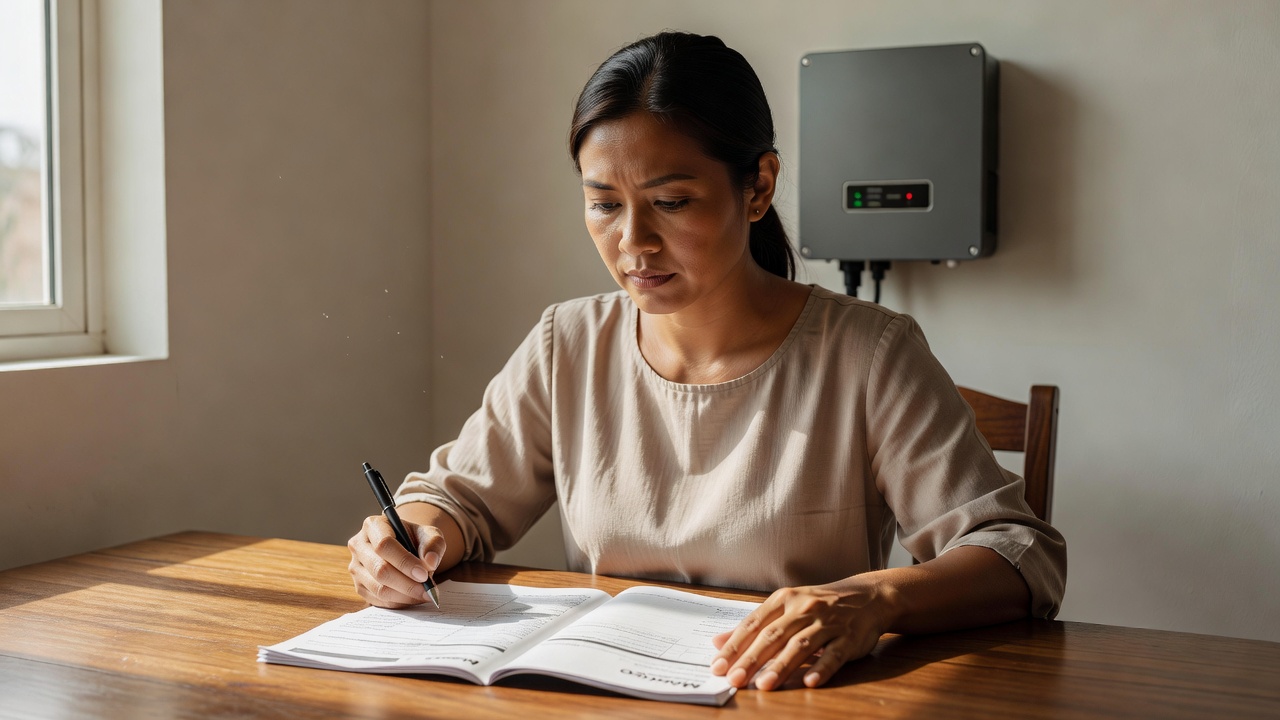
Find your average nightly kWh. Pull your Meralco or VECO bill and check monthly kWh. Divide by 30, then by 2 for the nighttime split. That number is your battery target.
Match it to the table above. Most households land between 3–5 kWh nightly — one 51.2V 100Ah unit is a solid first step.
Get a free quote from LakaSolar. We size the system to your actual bill — no overselling, no guesswork, just the right battery for your home.
A 51.2V LiFePO4 home battery is the most practical, safest answer to Philippine brownouts — and it scales on your terms. Start with one unit. Add panels when you're ready. Stack more batteries as budget allows. It's not all-or-nothing. The best solar setup is the one you can actually start today.
Frequently Asked Questions
Can I add a home battery to my existing solar panels?
Yes — if you already run a hybrid inverter like a Sungrow SH series, you can add a 51.2V LiFePO4 battery without replacing anything else. String-only inverters with no battery port may require an inverter upgrade first. Ask your installer to confirm compatibility before you buy anything.
Ilang oras matatawid ang brownout gamit ang home battery?
A 5.12 kWh unit running lights, fans, and a standard ref carries you 6–8 hours. A 10 kWh two-battery stack handles most Filipino households through a full overnight outage. Add an aircon and runtime drops sharply — size up accordingly, or put the aircon on a separate circuit.
Are LiFePO4 batteries safe to install indoors in the Philippines?
Yes. LiFePO4 is the safest lithium chemistry available — no overheating, no fire risk from thermal runaway. That said, install in a ventilated area away from direct sun. Philippine heat degrades any battery faster when it bakes in a closed, unventilated room all day.
Stop guessing — know exactly what size battery your home needs.
Our team reviews your bill and recommends the right setup — no pitch, just numbers.
Get My Free Battery QuoteBOTTOM LINE
A home battery in the Philippines is no longer a luxury — it's a load-shedding survival tool and a long-term cost play rolled into one. The 51.2V LiFePO4 format hits the sweet spot: safe chemistry, modular capacity, and hardware that works with most Philippine solar setups already in the field.
Size for your actual load, not your wish list. Start with one battery. Expand as budget allows. The payback math works — and every brownout you sleep through without sweating is proof.
Quick Savings Estimate
Get a Free Quote
Custom system design