
Solar panel maintenance Philippines homeowners skip is the most expensive mistake you'll make this summer — and you won't notice until your Meralco bill climbs back up. During dry season (March through May), dust, bird droppings, and relentless UV exposure quietly cut output by 15–25%. Rainy season at least rinses panels every few days. Tag-init offers no such mercy. Your system is getting dirtier by the week, and no alarm goes off.
Kung hindi mo linis ang panels mo this dry season, you're literally leaving money on the table. Here's the checklist that fixes that.
- A 5-step dry season maintenance checklist — visual inspection through documentation
- When to DIY and when to call a licensed technician
- Why a PHP 2,000 annual check-up protects a PHP 150,000–300,000 solar investment
Bakit Kailangan ng Maintenance Ngayong Tag-Init?
The Philippine dry season is brutal — not because of heat alone, but because of what sticks. Dusty air from unpaved roads, Metro Manila smog, and March winds carry fine particulates that layer onto your panels day after day. Add bird droppings near a coast or a mango tree, and you've got a panel surface that's actively blocking sunlight rather than converting it.
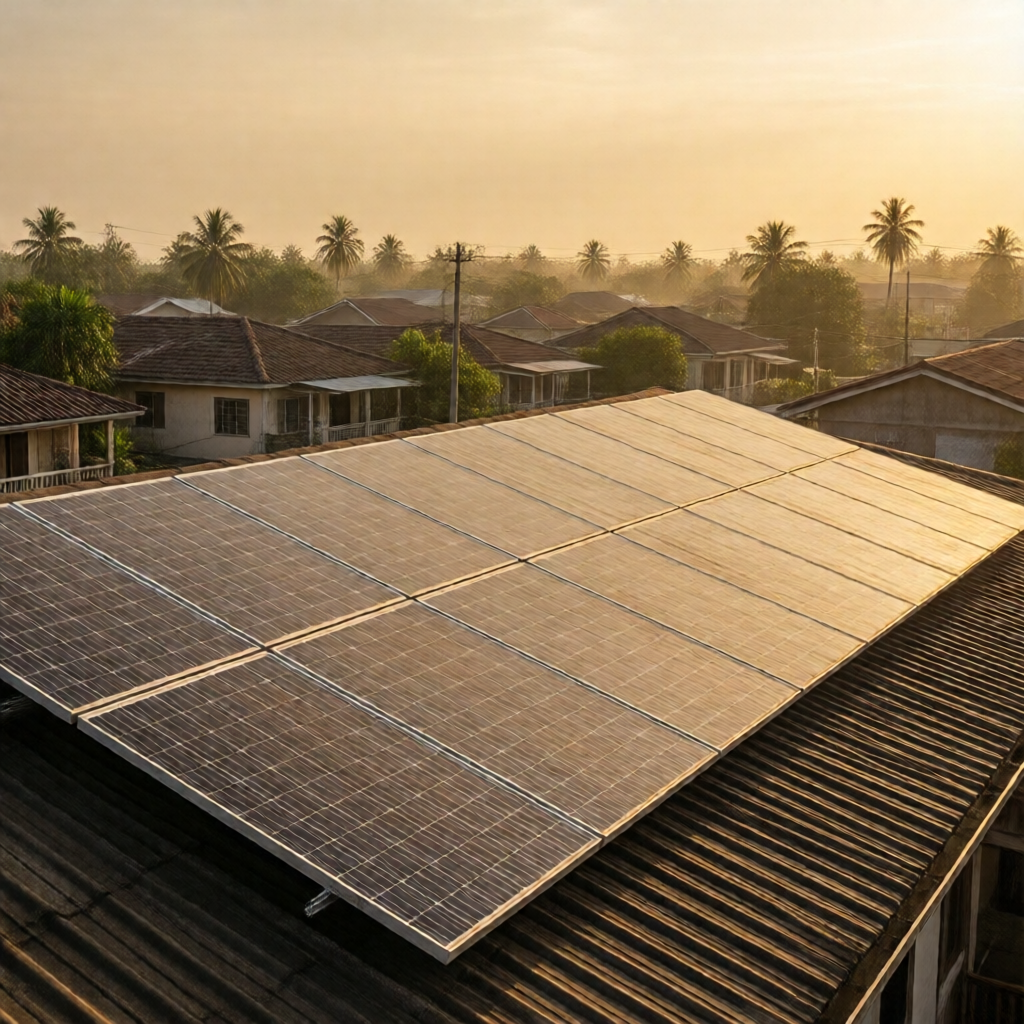
VECO customers in Visayas and Meralco customers in Luzon feel this identically: in their singil sa ilaw. When output drops, grid draw goes up. No mystery. The rainy season handles its own cleaning. Tag-init does not — which is exactly why a maintenance rhythm from March through May matters.
Ang Dry Season 2026 Maintenance Checklist
Five steps. Every four to six weeks from March through May — or right after a dust storm. Each takes under 30 minutes if your system is accessible.
-
1Visual Inspection
Walk around and check each panel from ground level for cracks, discoloration, hotspot burn marks, and loose wiring or mounting hardware. Dark spots or patches on a panel surface — not just surface dirt — are a hotspot flag that needs a technician. Do this first; there's no point cleaning a cracked panel.
-
2Panel Cleaning — The Right Way
Clean between 6:00 and 8:00 AM — before panels heat up. Use clean water and a soft-bristle brush or microfiber cloth; rinse top to bottom. No harsh chemicals, no abrasive scrubbers, no high-pressure jets on the panel surface. Never clean at midday: cold water on a hot panel causes thermal shock that micro-cracks the glass over time.
-
3Check the Inverter Display
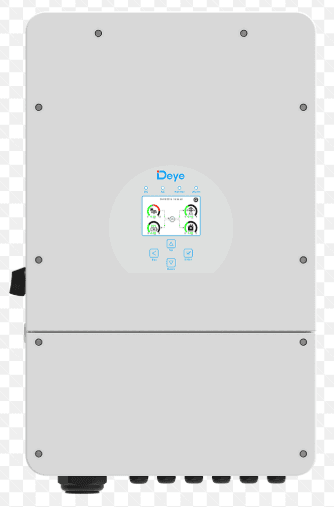
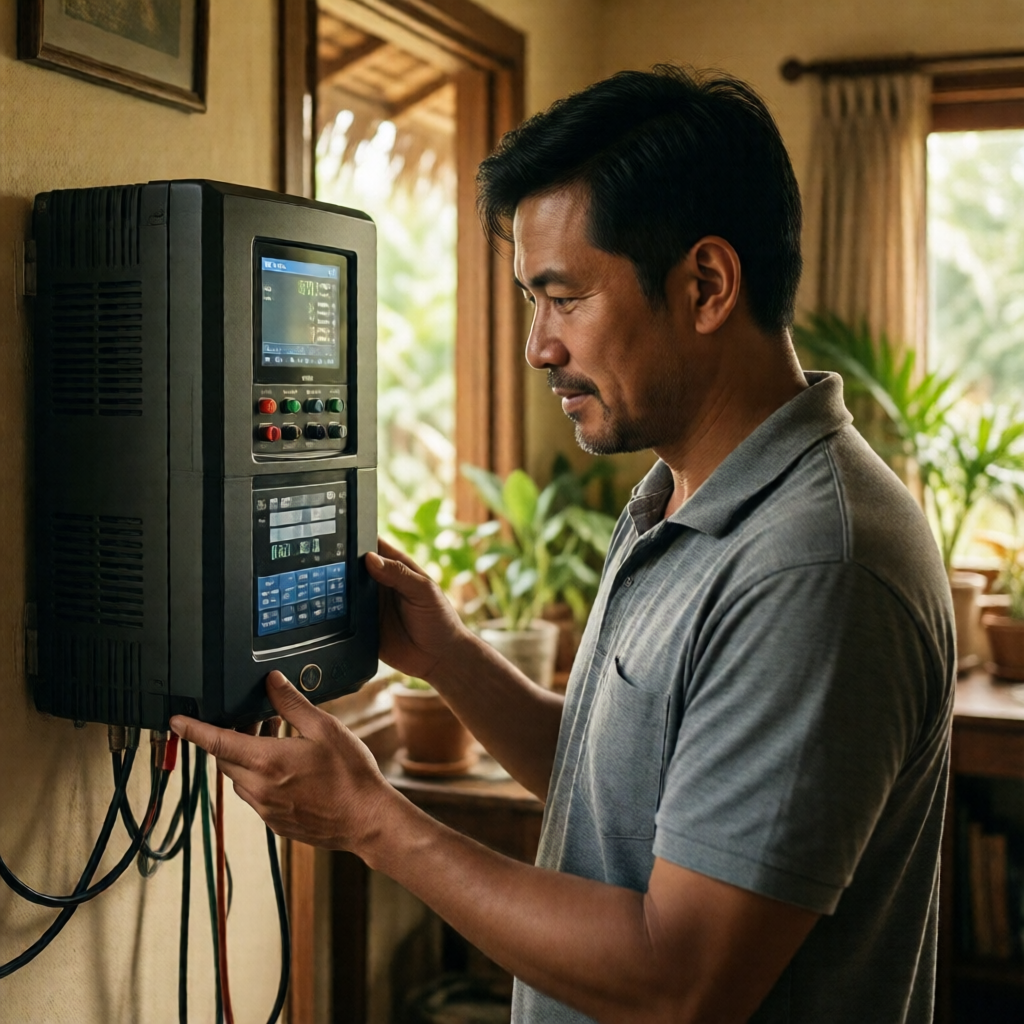
Your inverter is the report card for your system. Compare daily kWh output against your baseline — same sunny week, previous year. A drop above 10% that persists after cleaning signals something deeper: shading, a degraded string, or an inverter fault. Photograph the display reading every maintenance run. If you're also weighing whether to add storage to your setup, our guide to solar battery storage in the Philippines explains what to look for in hybrid configurations.
-
4Trim Shade Sources
Mango trees grow fast during Philippine summer; new construction can creep into your solar window without warning. Walk around at solar noon (12:00–1:00 PM) and check for new shading since your last inspection. Partial shade on a single panel drags down an entire string — the effect is far larger than the shadow's size.
-
5Document and Photograph Everything
Keep a simple log: date, what you did, inverter reading, issues spotted. If you ever need to file a warranty claim, documentation is everything. A five-minute photo record after each run can save you months of argument with a supplier.
A clean solar panel in the Philippines can recover 15–20% of output lost to soiling during dry season — with no hardware changes and no added cost. Regular cleaning is the cheapest upgrade for a system you already own.
DIY vs. Calling a Pro — Kailan Ka Hihinging Tulong?
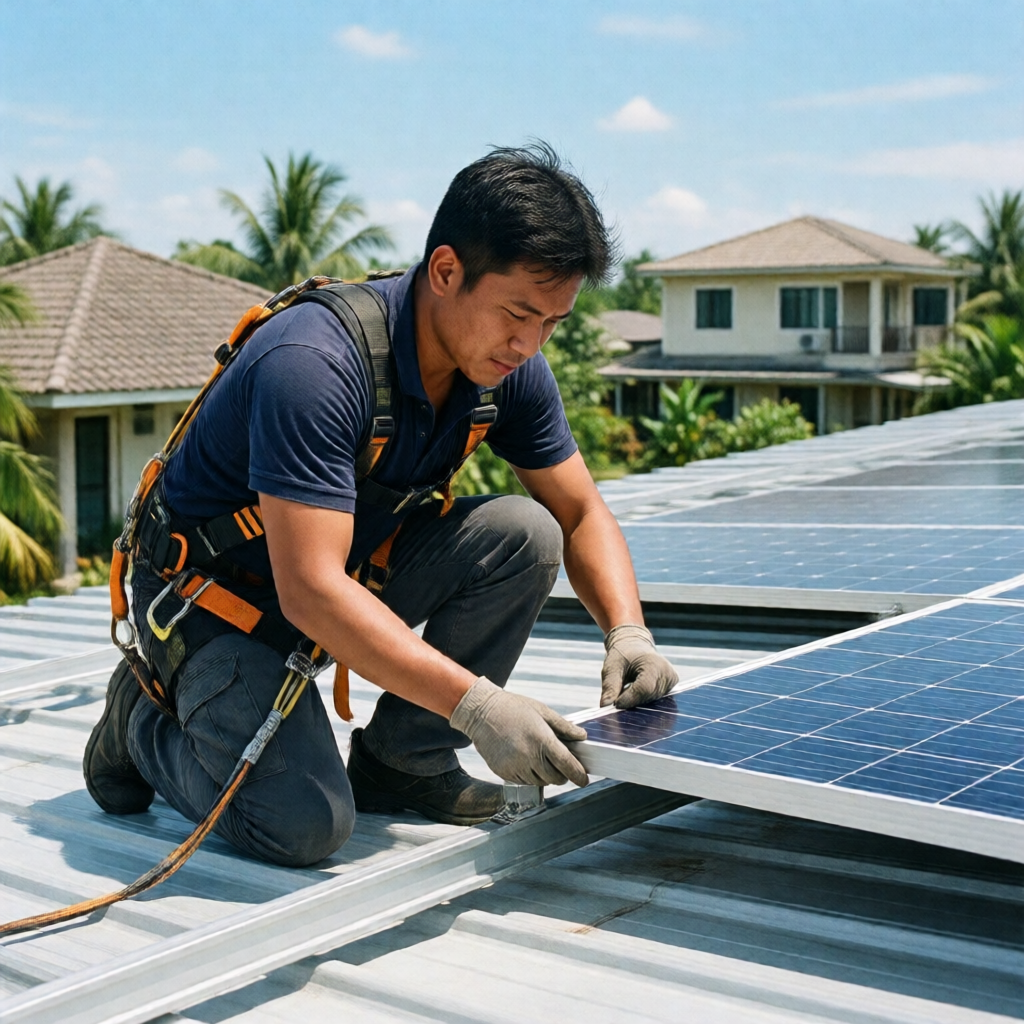
Most of this checklist is completely DIY-friendly. Safe roof access and a garden hose are enough for cleaning and visual checks. But there's a hard line between maintenance and diagnostics — and crossing it without qualifications is how small problems become expensive ones.
| ✅ Safe for DIY | 🚫 Call a Licensed Technician |
|---|---|
| Hosing down panels with clean water | Inverter error codes or fault lights |
| Visual inspection for surface dirt or obvious damage | Physical panel damage — cracks, burn marks |
| Trimming nearby trees and vegetation | Any wiring or electrical connection issues |
| Reading and logging inverter output data | Output hasn't recovered after two cleanings |
Your solar installer should offer an annual maintenance visit — most include this in their after-sales package. If yours doesn't, ask before the next dry season hits.
Ramon, a homeowner in Cavite — a composite of clients we see regularly — skipped two dry seasons. His 5kWp system had dropped from 18 kWh/day at installation to 13 kWh/day by the time he called a technician: panel soiling compounded by an inverter fault silently throwing a warning code for months. A PHP 2,500 service visit fixed both. The cost of skipping was significantly higher.
Sulit Pa Ba ang Solar Kahit May Maintenance Cost?
Yes — by a wide margin. A professional annual check-up in the Philippines runs PHP 1,500–PHP 3,500 depending on system size and location. A properly maintained 5kWp system saves roughly PHP 4,000–PHP 6,500 per month on a typical Meralco residential bill — PHP 48,000–PHP 78,000 annually. Skipping maintenance doesn't save money. It quietly erodes savings you're already entitled to.
PHP 2,000/year in maintenance protects a PHP 150,000–PHP 300,000 solar investment and keeps monthly savings consistent. It costs far less than a single lost month of optimal output.
Mga Madalas na Tanong (FAQ)
How often should I clean my solar panels in the Philippines?
During dry season (March–May), every four to six weeks — or immediately after a dust storm. In the rainy season, natural rainfall handles most light cleaning; extend to every six to eight weeks. A visual check after major storms is a sound habit year-round.
Will my solar panels still work during brownouts or Meralco power interruptions?
Standard grid-tied systems automatically shut off during a power interruption — a safety requirement to protect linemen on the grid. Hybrid systems with battery storage can continue powering your home during brownouts, depending on configuration. Confirm the specifics with your installer.
What happens if I skip maintenance — does it void my warranty?
Many panel and inverter warranties require "reasonable maintenance" to remain valid. Physical damage from neglect — a hotspot caused by an uncleaned bird dropping concentrating heat — is typically excluded from claims. Keep a maintenance log and photographs. They're your protection if you ever need to file.
Book a free solar consultation or inspection inquiry with LakaSolar before the peak summer heat hits in April–May 2026.
Get a Free Inspection Quote →Solar panels in the Philippines face some of the harshest conditions in Southeast Asia — intense UV, typhoon-driven debris, salt air along coastal areas, and months of heavy dust accumulation. A system that runs without any maintenance will quietly bleed 15–25% of its output before you notice anything wrong on your electricity bill.
- Clean panels every 4–6 weeks during dry season; visually inspect after every major storm
- Schedule a professional inspection annually — sooner if output drops or physical damage is visible
- Document everything: service dates, photos, and technician notes protect your warranty
- A PHP 3,000–5,000 annual maintenance budget on a PHP 200,000 system is a 1.5–2.5% cost for near-full output protection
Quick Savings Estimate
Get a Free Quote
Custom system design