
Solar panel maintenance in the Philippines is not optional — your system survived installation, but the Philippines tests panels like nowhere else on earth. Habagat. Bagyo. Salt air. Bird droppings baked onto glass by 35°C heat. Ignore a system for two or three months and it bleeds 15–25% of its output without a single warning — and your Meralco bill climbs right back to where it was before you went solar.
- Clean panels every 1–2 months; inspect after every typhoon — dirty panels lose up to 25% output.
- Don't remove panels before a storm — they're rated for it; secure loose cables instead.
- A generation drop of more than 20% vs. last year is your red flag to call a professional.
- Annual professional check costs PHP 1,500–3,500. A replacement panel costs PHP 15,000+. Do the math.
Bakit Mahalaga ang Maintenance? (Why Skipping It Costs You Real Money)
Twenty typhoons per year. Eight to nine make landfall. That's before habagat brings months of sustained rain, wind, and salt-laden humidity. Stack Metro Manila's air pollution on top, add coastal spray for anyone near Cebu or Cavite, and your output starts bleeding quietly — no alarms, no error codes, just a higher bill at the end of the month.
One homeowner in Bacoor, Cavite (a composite of cases we see regularly) installed a 6kWp system in 2023 and never touched it. By 2025, his Meralco bill had crept up PHP 1,800 per month. A basic inspection found panels coated in grime and one mounting bracket corroding from sea air. Two hours of cleaning and a PHP 2,000 professional check recovered nearly all his lost generation. Two years of savings erased — from skipping PHP 500 worth of garden hose water.
The Monthly Solar Maintenance Checklist
Twenty minutes. One walk-around. That's all it takes to catch 90% of problems before they become expensive ones.
-
1
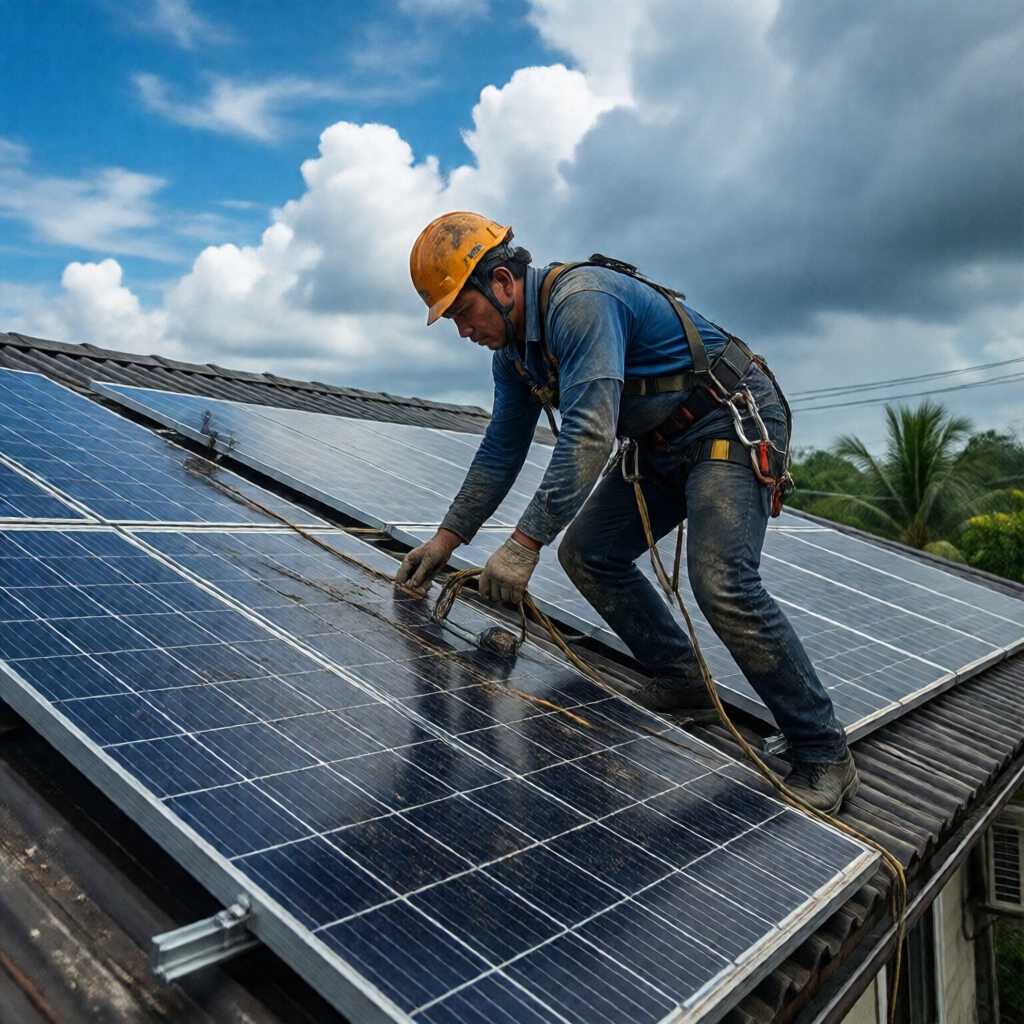
Visual Inspection — After any bagyo, walk the roof line or use binoculars from the ground. Look for cracked panel glass, loose mounting brackets, or cables that have shifted. One cracked panel left unattended degrades the entire string's output — not just its own.
-
2
Panel Cleaning — Rinse with clean water and a soft brush or hose. Early morning, before heat builds. No abrasive cloths. No jet washers — they scratch the anti-reflective coating. Avoid cleaning between 10am–3pm in dry season; cold water hitting hot glass causes thermal shock.
-
3
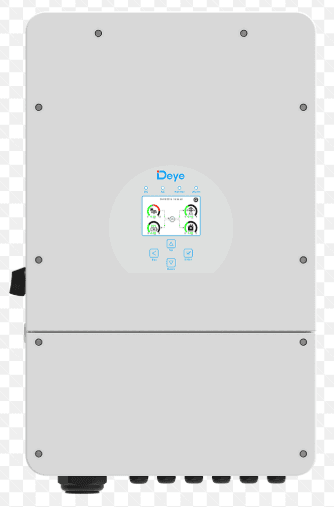
Inverter Check — Confirm a green LED and no fault codes on your Sungrow or Deye inverter. Log today's generation against the same month last year. A 10% drop is worth noting. A 20%+ drop means something is wrong. Most inverters have a mobile app — use it every month, not just when you suspect trouble.
-
4
Cable Conduits and Junction Boxes — Tropical humidity eats through poorly sealed connections. VECO territory in Cebu means salt-laden air year-round; the same applies anywhere within a few kilometers of the coast. Check that conduit clamps are tight and junction box covers are sealed. Rust or discoloration around any connection is a warning you shouldn't ignore.
-
5
Clear Shade Sources — Tropical vegetation is relentless. A mango branch that wasn't a problem in January can shade two panels by June. Partial shading on one panel drags the entire string. Trim aggressively — shade is silent money loss, and it compounds every month you leave it.
-
6
Monitor Your Singil sa Ilaw — Your Meralco or VECO bill is the simplest diagnostic tool you own. If it's been sunny and the bill is climbing anyway — that's your red flag. Cross-reference with your inverter's generation log before calling anyone; you may solve it in 15 minutes without a service call.
Cleaning alone can recover 10–20% of lost output — and most Filipino homeowners skip it entirely. It costs nothing but a garden hose and 20 minutes.
DIY vs. Call a Professional — Know the Line
| ✅ DIY-Doable | 📞 Call a Professional |
|---|---|
| Rinse panels with a hose (early morning) | Persistent inverter fault codes after restart |
| Check inverter LED and mobile app readings | Generation drop >20% with no obvious cause |
| Visual roof inspection after a bagyo | Burn marks or discoloration on any panel |
| Trim shade-causing branches | Physical cracks or fractures after typhoon |
| Compare bill vs. inverter generation log | Annual full system check (PHP 1,500–3,500) |
Paano Mag-Prepare Before a Typhoon (Pre-Storm Protocol)
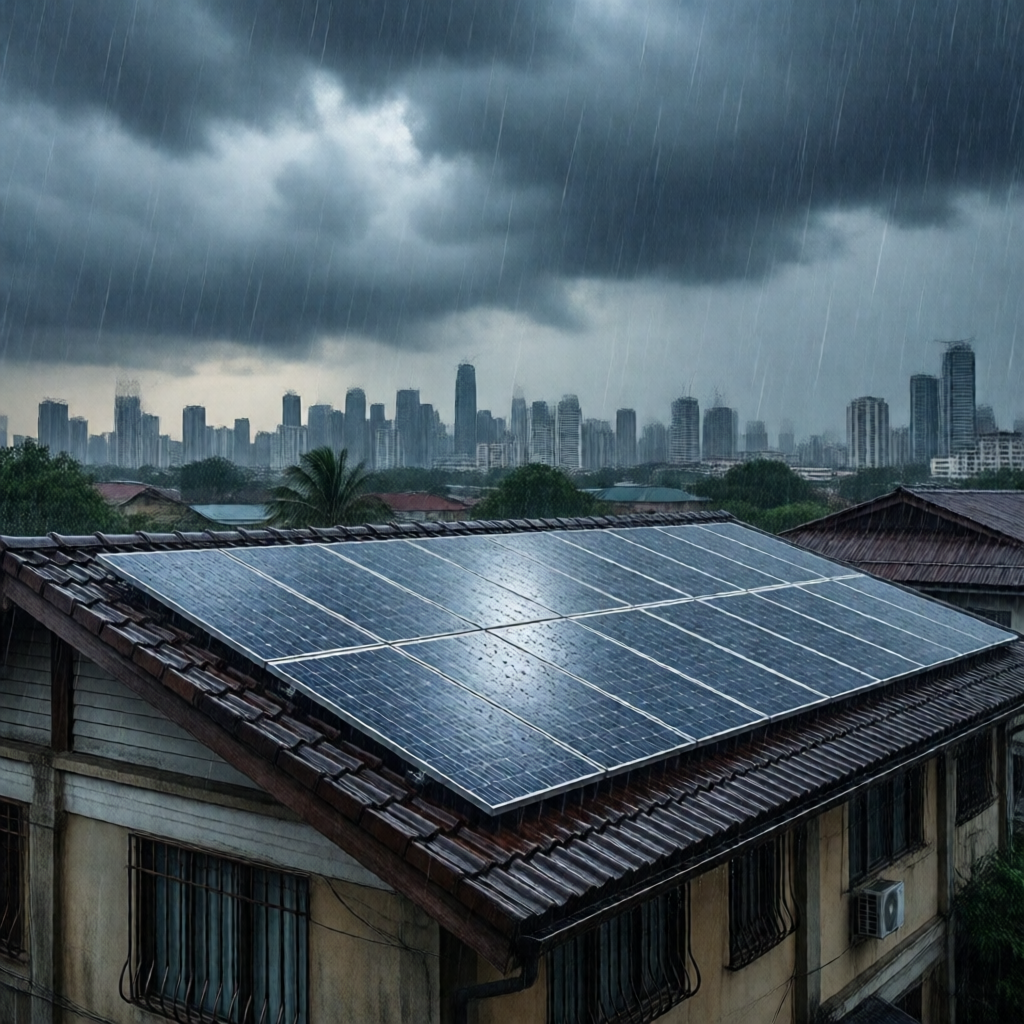
The most common mistake is panic-removing panels before a signal warning. Don't. Quality solar panels handle wind loads of 2,400 Pa or more — equivalent to sustained Signal No. 3 to early Signal No. 4 wind speeds. Removing them yourself creates more risk than leaving them: wrong reinstallation, voided warranties, and the very real danger of being on a roof in pre-typhoon weather.
What you should do before a bagyo hits:
- Secure portable components — Disconnect and store any temporary micro-inverter cable runs or non-permanent accessories that weren't part of the original installation.
- Activate storm/grid-disconnect mode — Sungrow hybrid inverters have a built-in storm mode that safely isolates the system. Read your inverter manual before typhoon season starts, not while one is approaching.
- Clear the roof perimeter — Flying debris — GI sheets, branches, loose materials — causes more panel damage than wind itself. A five-minute sweep of your surroundings before a storm is worth more than any panel reinforcement.
After the storm: Inspect panels at midday when shadows are sharpest — micro-cracks show up as irregular patterns that don't match the frame. Confirm your net metering export is still logging with Meralco. Typhoons can trip a ground fault setting on the inverter that won't auto-reset, cutting your export silently for days.
Most Philippine solar panel warranties cover wind damage up to Signal No. 3 conditions — but only when the system was professionally installed and maintained. A DIY removal before the storm can void that coverage entirely. Check your installer's warranty terms before typhoon season, not after.
At Kailan Mo Kailangan ng Tulong? (When to Call a Professional)
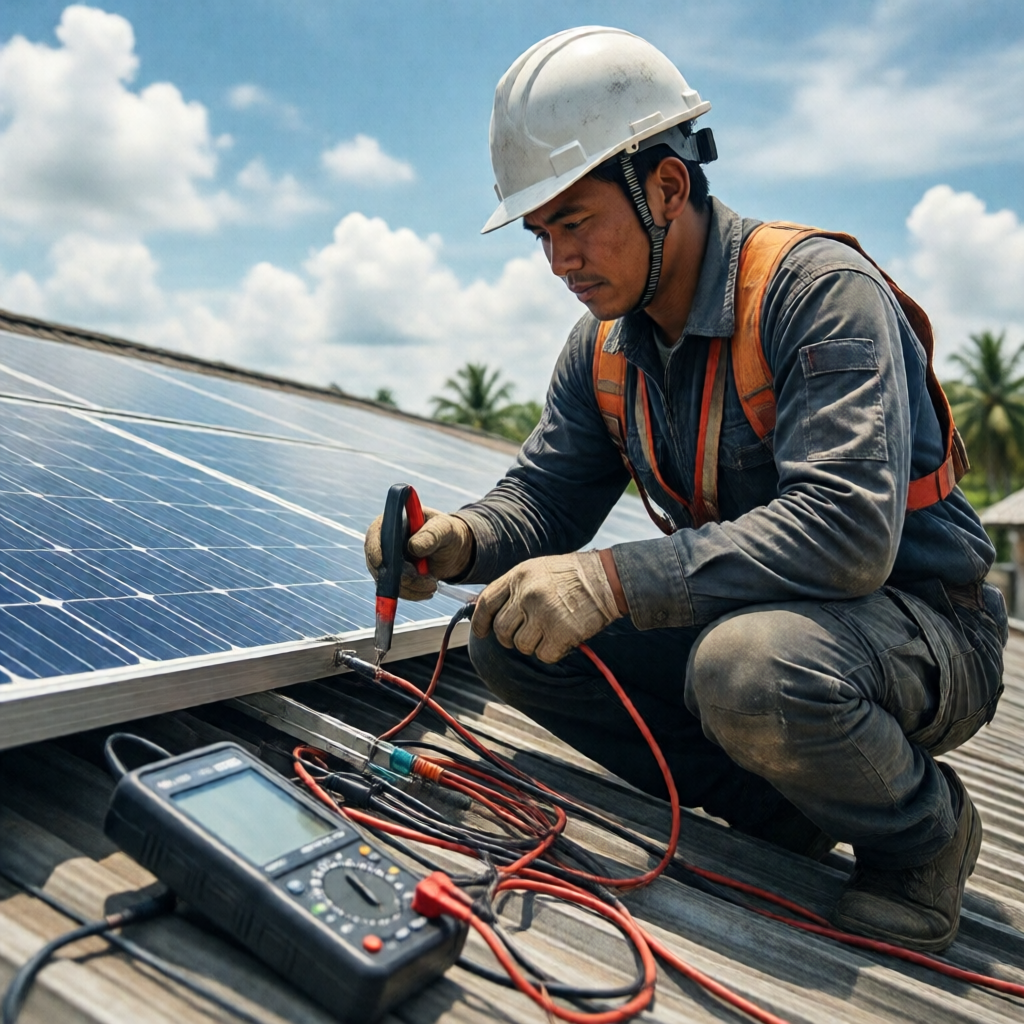
Some issues you can resolve yourself. Others get worse when you try. Call your installer or a certified solar technician the moment you see any of these:
- Inverter fault codes that won't clear after a restart — a persistent fault points to a hardware problem, not user error.
- Generation drop of more than 20% vs. the same month last year with no new shading or visible grime — degraded cells or wiring faults need professional diagnosis.
- Visible burn marks or discoloration on any panel — this is a fire risk. Stop using the system immediately and call.
- Physical cracks after a typhoon — even hairline fractures allow moisture ingress that compounds into full cell failure over months.
"The homeowners who spend PHP 2,000 a year on maintenance are not the ones calling us for PHP 50,000 repair jobs." — a certified solar technician in Cavite
Annual professional inspection costs PHP 1,500–3,500 — far cheaper than a PHP 15,000+ panel that fails quietly from neglect. Solar is a long-term investment. The maintenance cost is a rounding error against the returns.
Mga Madalas na Tanong (FAQ)
Gaano kadalas mag-linis ng solar panels sa Pilipinas?
Every 1–2 months during dry season (November–May) and after every typhoon. During habagat, rain handles surface cleaning — but always inspect for leaf buildup, debris, and bird droppings after heavy storms.
Will a typhoon damage my solar panels?
Panels installed correctly handle Signal No. 1–2 conditions without damage. The real threat is flying debris — post-typhoon, inspect for micro-cracks and check all mounting hardware. Most warranties cover storm damage only with a proper installation record on file.
My Meralco bill went up even though it's been sunny. What's wrong?
Start with your inverter display — lower-than-expected generation usually means dirty panels or new shade from tree growth. You can also use our solar savings calculator to compare what your system should be generating against your actual bill. A 15-minute visual inspection solves this most of the time. Look before you call.
Kailangan ko bang i-off ang solar system bago maglinis?
Yes — always. Turn off the inverter and isolate the system before any hands-on cleaning. Water and live electrical equipment is a serious hazard; ask your installer for the step-by-step shutdown procedure if it isn't already posted near the unit.
Philippine solar panels can last 25+ years — but only if you treat them like the investment they are. A monthly checklist, a pre-typhoon protocol, one professional check per year. That's the whole formula, and the cost of skipping any part of it shows up on your singil sa ilaw sooner than you'd expect.
Bottom Line
A solar system in the Philippines is one of the best long-term investments a household can make — but only if you maintain it. The formula is simple:
- Monthly: Visual check — panels, inverter readings, shading
- Every 1–2 months (dry season): Gentle panel cleaning
- Before/after every typhoon: Full hardware inspection
- Once a year: Professional system check (PHP 1,500–3,500)
Skip the checklist and your 25-year investment starts degrading silently — showing up as higher Meralco bills and shortened panel life. Stay on top of it, and your system pays for itself many times over.
Quick Savings Estimate
Get a Free Quote
Custom system design