
Your solar system is quietly underperforming right now — and you probably don't know it. Dirty, neglected panels in Philippine conditions lose 15–25% of their output (IRENA soiling loss benchmarks for tropical Southeast Asia). That's smaller net metering credits from Meralco or VECO and a higher singil sa ilaw every single month. This solar panel maintenance checklist for the Philippines covers everything you need to stop bleeding money — most of it free, most of it done in under 30 minutes with a garden hose.
- Philippine dust, salt air, and humidity make panel degradation faster here than almost anywhere else.
- Three tiers: monthly visual checks, quarterly rinse, annual professional inspection.
- DIY cleaning is safe and easy — electrical work is not.
- Sudden 20%+ output drop, error codes, or a burning smell = call a technician today.
Bakit Kailangan ng Regular Maintenance? (Your Singil sa Ilaw Depends on It)
The Philippines is genuinely brutal on solar hardware. Construction dust, bird droppings, salt air rolling in off Cebu Strait and Davao Gulf, humidity that bakes a film of grime onto glass between rains — these are conditions European installation manuals never address. Your panels are fighting them every day.
The five biggest efficiency killers for Philippine homeowners:
- Construction and road dust — relentless in Metro Manila, Cavite, and fast-growing provincial cities during dry season
- Harvest-season agricultural dust — rice fields across Central Luzon and the Visayas coat panels in fine particulate for weeks
- Salt air corrosion — coastal homes face accelerated bracket and cable degradation far beyond what specs predict
- Bird and bat droppings — concentrated spots block individual cells and cause dangerous hot spots when left untreated
- Humidity-driven grime — the wet-dry cycle cement-bonds dust to the glass; light rain won't touch it
A well-maintained system pays back faster — your Meralco net metering credits depend on clean, fully performing panels. Every percentage point of lost output is PHP you're not earning back.
Ang Checklist: Monthly, Quarterly, and Annual Tasks
Three tiers. Most of Saturday morning and a garden hose covers the first two. The annual items you hand to a pro — non-negotiable.
Monthly Tasks
- 1 Visual inspection for debris and droppings. From the ground with binoculars, or a safe rooftop vantage. Look for bird droppings, leaf clusters, or anything blocking a section of panel. Takes three minutes.
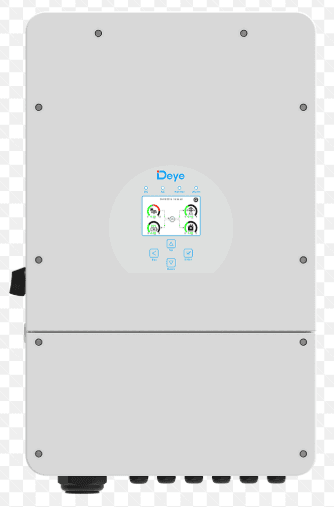
- 2 Check your inverter display. Green indicator, normal output figures. Yellow, orange, or any error code — write it down. Don't reset and ignore.
- 3 Review your monitoring app data. A consistent 10–15% drop with no weather explanation is your early warning. Act on it.
Quarterly Tasks
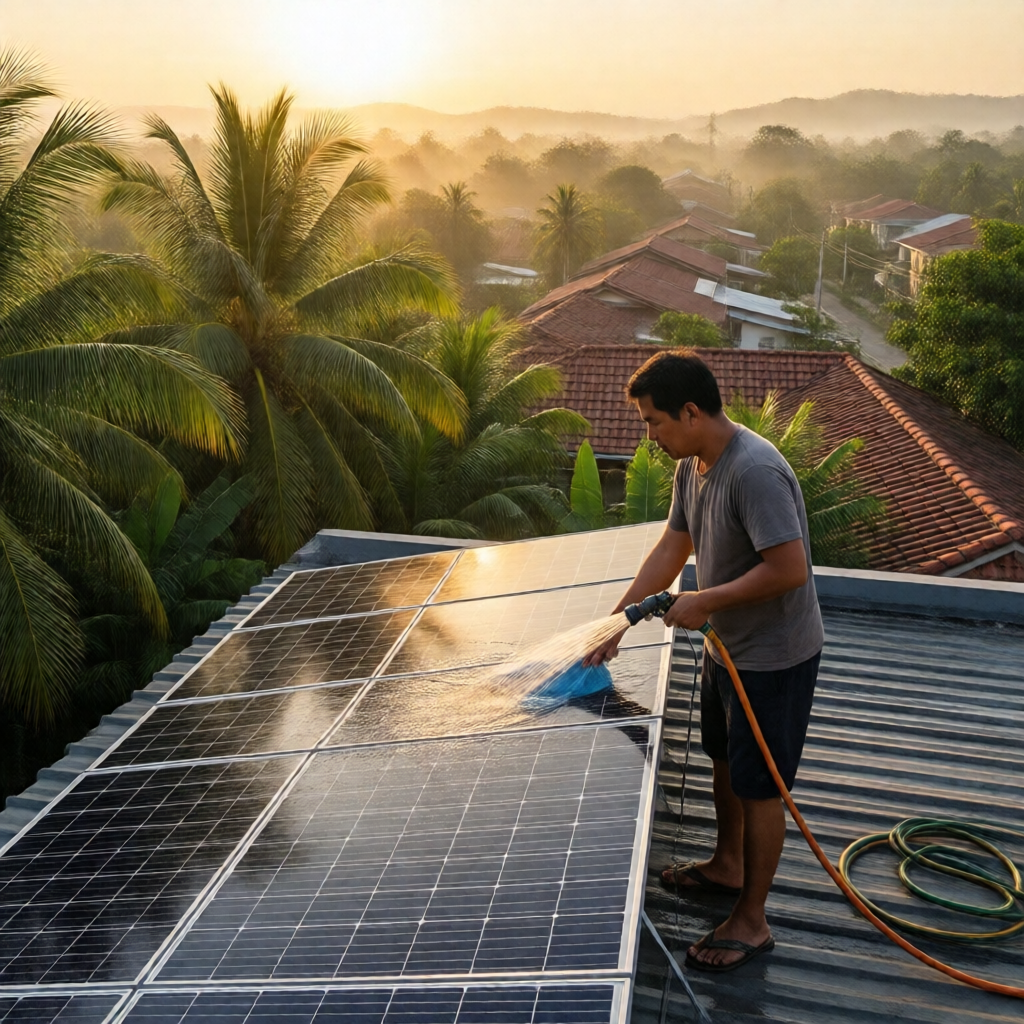
- 1 Rinse panels with a garden hose — early morning, panels still cool. Thermal shock from cold water on sun-heated glass stresses lamination over time. Maaga ang gising, maaga rin ang linis.
- 2 Check mounting brackets for rust. Critical for coastal homes. Surface rust is cosmetic. Deep pitting means replacement — before typhoon season, not after.
- 3 Inspect visible cable insulation for cracking, discoloration, or pest damage. A compromised jacket is a fire hazard, not a future problem.
Annual Tasks
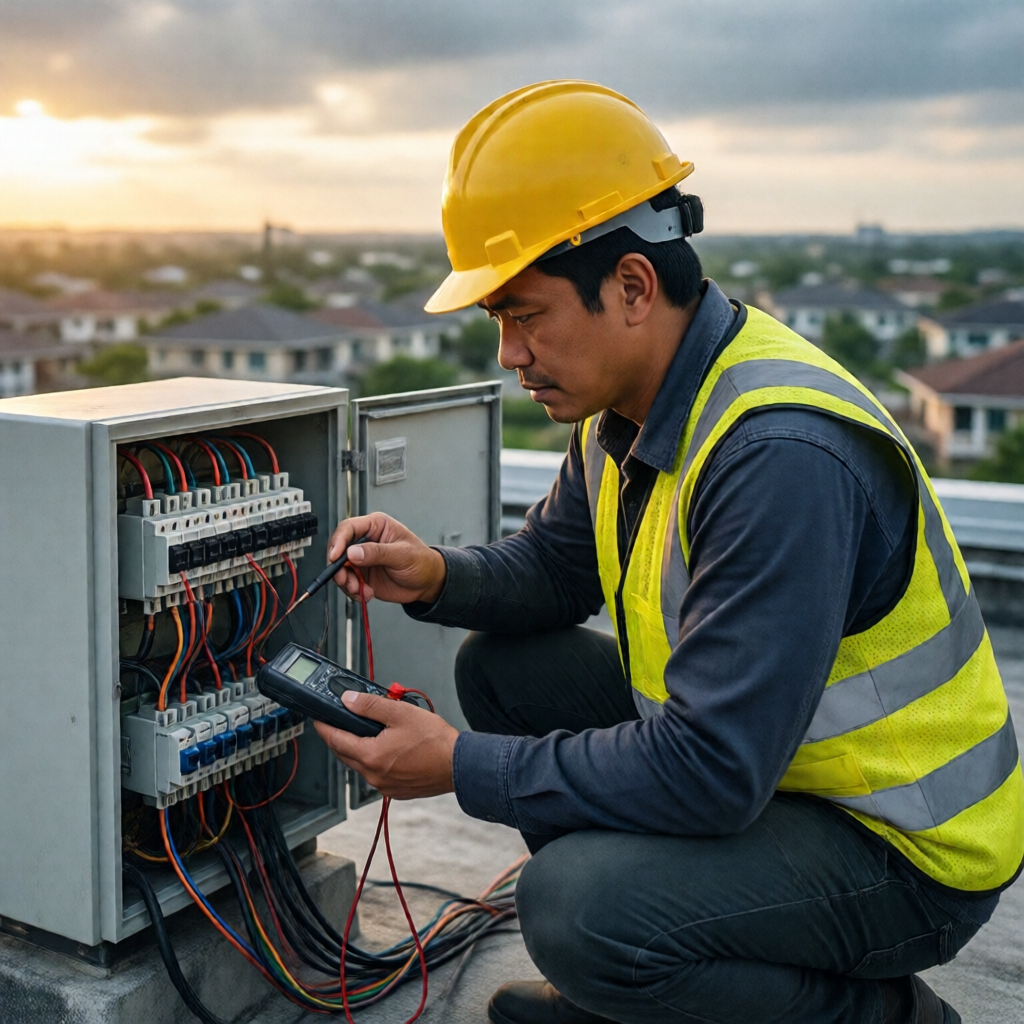
- 1 Professional electrical inspection. A licensed solar technician checks all DC and AC connections, tests for corrosion at terminals, and verifies string voltages. This one is not optional.
- 2 Inverter firmware and performance review. Outdated firmware degrades MPPT efficiency and skews monitoring data — both hit your net metering returns.
- 3 Battery health test for hybrid or off-grid systems. State-of-health below 80% cuts your backup capacity significantly. You'll feel it on the first brownout you expected to ride out.
- 4 Confirm your net metering meter is recording correctly. Cross-check your Meralco or VECO bill against inverter export data. Discrepancies above 5–10% are worth flagging to your distribution utility in writing.
A neglected solar system can quietly lose PHP 3,000–6,000 per year in foregone savings — more than the typical cost of an annual professional checkup. The maintenance pays for itself before the technician climbs down from your roof.
DIY Mo Na Lang vs. Tawagan ang Technician
Most Filipino homeowners can handle monthly and quarterly tasks themselves — walang espesyal na tools, just tubig at oras. Anything that touches electrical components belongs to a licensed solar technician. That's not being overly cautious; it's Philippine law, and it's how your warranty stays intact when you need it.
| Task | DIY-Safe ✅ | Needs Technician 🔧 |
|---|---|---|
| Panel surface cleaning | ✅ Garden hose, soft cloth, early morning | |
| Monitoring app review | ✅ Check daily or weekly | |
| Clearing leaves and debris | ✅ Soft brush from ground level | |
| Electrical connections and wiring | 🔧 Licensed technician only | |
| Inverter wiring or firmware | 🔧 Licensed technician only | |
| Roof penetration re-sealing | 🔧 Licensed technician only |
"Linisin mo ang panels, huwag i-linis ang wires." — The one rule every Filipino solar owner should have memorized by now.
Red Flags: Kailan Ka Dapat Mag-Call ng Technician Agad?
Some problems don't wait for your next quarterly check. These five signs mean you call today — not after the weekend.
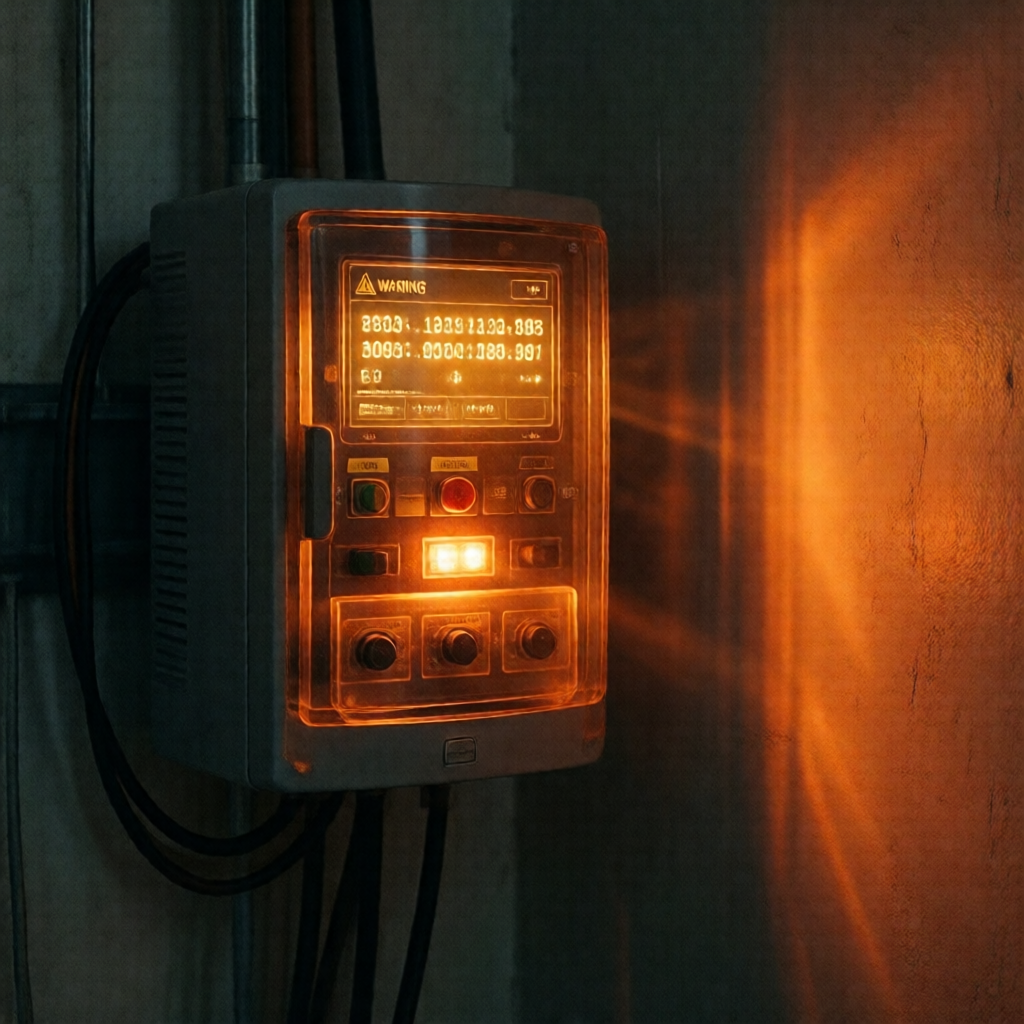
- 🔴 Inverter error codes — resetting and hoping is not a maintenance strategy
- 🔴 Sudden generation drop of 20% or more on a comparable sunny day — no weather excuse
- 🔴 Visible cracks, yellowing, or delamination on panel surfaces — hot spots and fire risk, not cosmetic damage
- 🔴 Loose or rattling mounting hardware — urgently before typhoon season, not after
- 🔴 Any burning smell near the inverter — shut the system down and call immediately
Monthly visual checks, quarterly rinses, one annual professional inspection. That's the full playbook. It takes less time than paying your Meralco bill and protects an investment worth PHP 150,000 or more. A well-maintained system earns back its maintenance cost in year one — every year after is pure gain.
Mga Madalas na Tanong (FAQ)
Gaano kadalas linisin ang solar panels sa Pilipinas?
Every one to three months, depending on location. Near a construction site or agricultural area? Monthly checks during dry and harvest season. For Metro Manila, a monthly visual and quarterly hose-down keeps output healthy.
Can I clean solar panels myself or do I need a professional?
DIY cleaning is fine — garden hose or soft cloth, early morning while panels are cool. Electrical components and wiring stay off-limits; those always belong to a licensed solar technician.
How much does professional solar panel maintenance cost in the Philippines?
A professional annual inspection runs PHP 1,500–4,000 depending on system size and location. Compare that to the PHP 3,000–6,000 in annual savings a neglected system bleeds away — it pays for itself with room to spare.
What happens to my solar warranty if I skip maintenance?
Most panel and inverter manufacturers require documented annual inspections as a condition of warranty claims — skip them and you may find your warranty voided right when you need it most. Keep inspection receipts on file for the full warranty period.
Is your system running at full capacity?
Don't wait for the next bill to find out. A free inspection catches issues before they cost you.
Book a Free System Inspection with LakaSolarQuick Savings Estimate
Get a Free Quote
Custom system design