
Most Filipino homeowners agonize over which brand of panels to buy — wrong question. A solid solar panel installation checklist for the Philippines matters more than the brand. A premium panel installed badly will underperform for two decades. The installer who skips waterproofing today costs you a roof replacement in three years.
Three phases: before the crew arrives, while they work, and before you release final payment. Skip any phase and you're gambling with PHP 150,000–500,000.
- Check roof condition, Meralco/VECO compatibility, and installer credentials before signing anything
- On-site: verify tilt angle, waterproofing, inverter placement, and wiring quality
- Don't sign off until the system tests correctly and net metering paperwork is started
- Building and electrical permits are legally required — confirm in writing, not verbally
Bago Mag-install: Five Things to Confirm Before the Crew Arrives
Hindi ka dapat mag-sign ng kontrata without checking these. Once you've paid the downpayment, your leverage disappears fast.
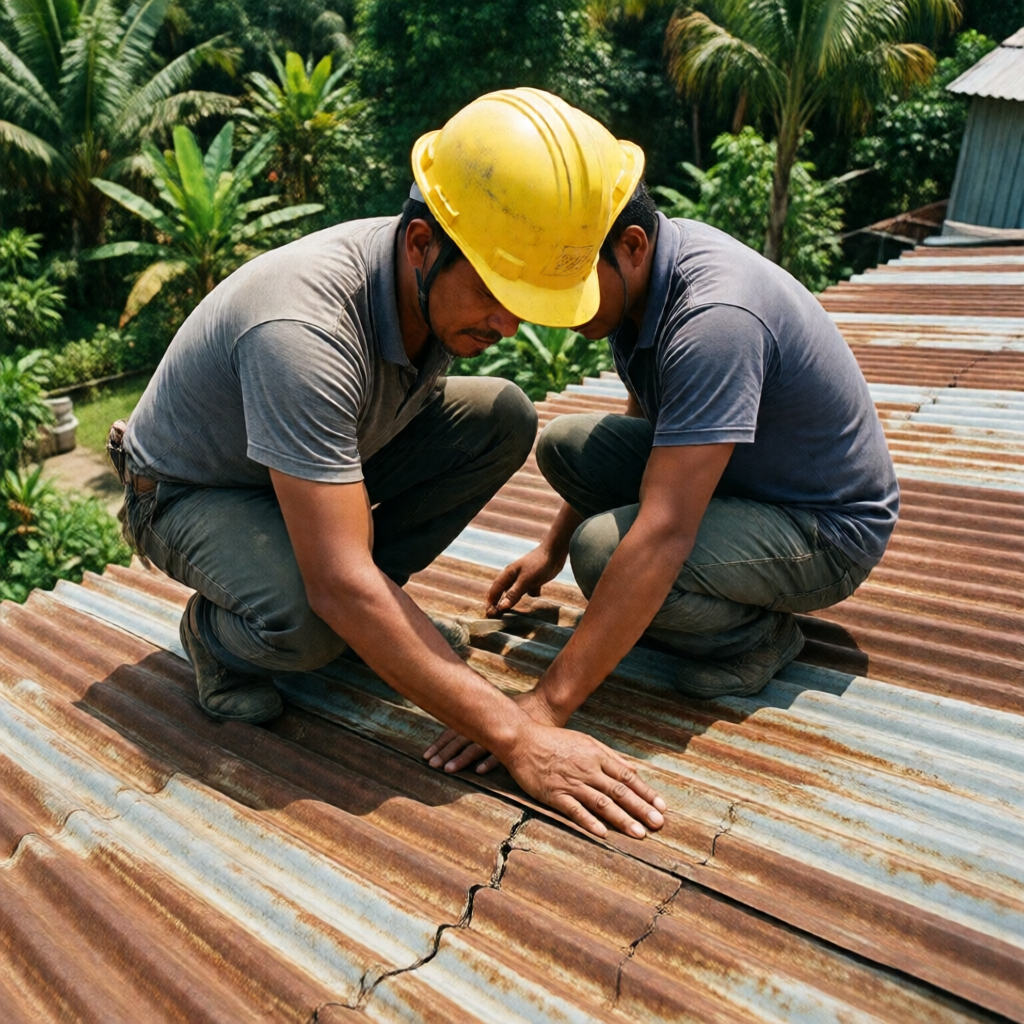
1. Roof condition and load capacity. Panels add roughly 10–15 kg per square meter. Yero roofs can handle it — but only if the purlins and rafters are sound. Demand a written structural assessment. No assessment, big red flag.
2. Meralco or VECO meter compatibility. Net metering requires a bidirectional meter approved by your distribution utility — a process that takes 4–12 weeks. Confirm your installer knows the exact steps for your DU and that the timeline is in the project plan.
3. Installer credentials. Ask for DOE accreditation and ERC compliance documents. An unaccredited crew can get your net metering application rejected outright.
4. Itemized quote. One lump sum labeled "solar installation" is unacceptable. Push back. You need line items for panels, inverter, racking, wiring, labor, and permits. Lumped quotes hide the corners that get cut later.
5. HOA or barangay clearance. Some subdivisions require approval before exterior structural work. Find out early — discovering this on Day 1 adds weeks to your timeline.
Habang Nag-iinstall: What to Watch While the Work Is Happening
You don't need to babysit every minute. But personally verify these four things and photograph each one — that's your documentation if something goes wrong after the crew leaves.
1. Panel tilt and orientation. Optimal tilt in the Philippines is roughly 10–15 degrees facing south. Panels mounted flat or facing the wrong direction lose 10–20% of potential generation every year. Ask the installer to confirm the angle before they lock the racking in — it takes thirty seconds.
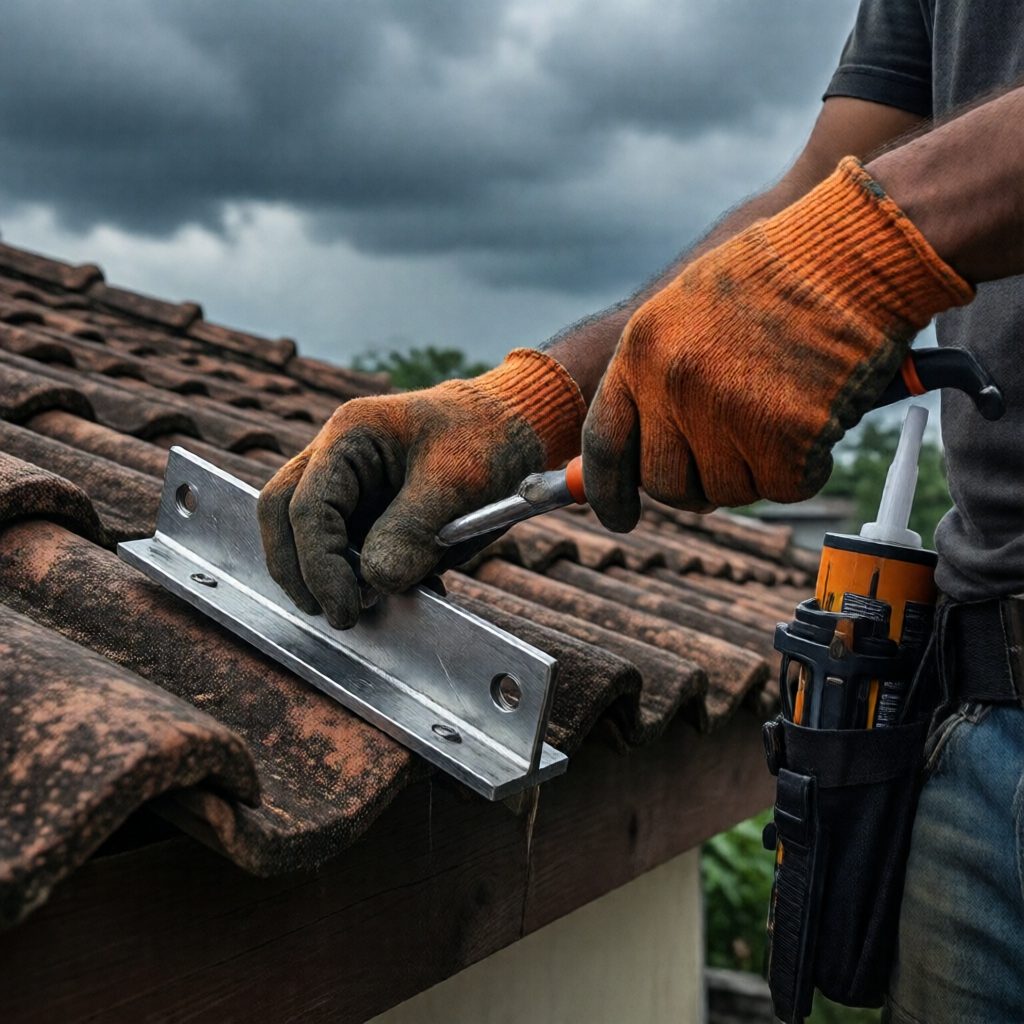
2. Waterproofing and flashing around mounts. Every roof penetration is a potential leak. Tropical downpours are not forgiving. Watch for proper flashing and sealant during the install, not after — improper sealing is among the most common complaints we see from homeowners after installation.
A poorly sealed roof penetration can void your roof warranty and your solar system warranty simultaneously. Most manufacturers require weatherproof installation to honor the product guarantee.
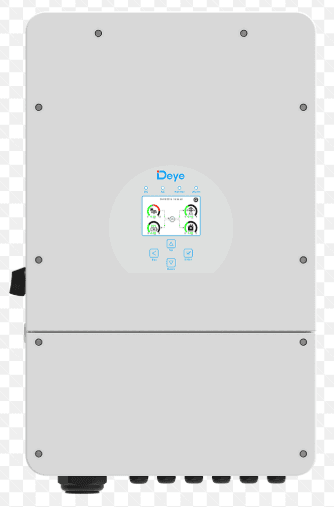
3. Inverter placement. Your inverter needs shade, airflow, and rain protection. Not inside a sealed cabinet. Not in direct sun. Not anywhere that floods during habagat season. Overheating is the most common cause of premature inverter failure.
4. Wiring and conduit runs. All DC and AC wiring should be in conduit and routed away from water exposure. Tidy conduit runs signal a professional crew. Spaghetti wiring tells you exactly what level of care went into the rest of the job.
Permit Checklist: What You Need in Writing
Grid-tied and off-grid systems have different paperwork requirements. Here's how the permit picture looks for each — confirm all applicable items are explicitly covered in your contract before work begins.
| Permit / Approval | Grid-Tied | Off-Grid |
|---|---|---|
| LGU Building Permit | ✅ Required | ✅ Required |
| Electrical Permit (PEC-compliant) | ✅ Required | ✅ Required |
| DU Net Metering Application | ✅ Required | ❌ Not applicable |
| HOA / Barangay Clearance | ⚠️ Check first | ⚠️ Check first |
| DOE-Accredited Installer on Record | ✅ Required | ✅ Required |
Pagkatapos ng Install: Don't Sign Off Until You Check These
This is the step most homeowners skip because they're relieved it's over. Hold the final payment until every box below is ticked.
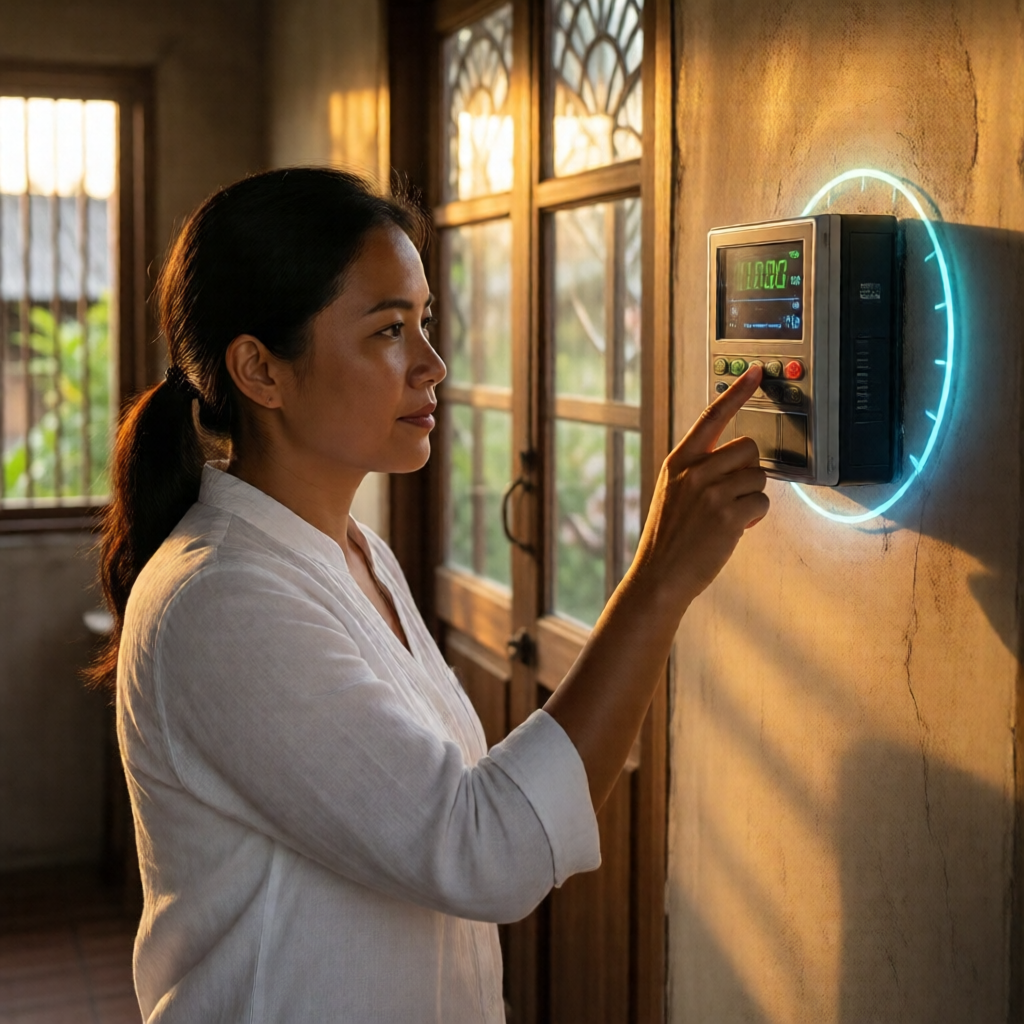
1. Live system test. Turn the system on together with the installer. On a sunny day it should show real-time generation. Zero output means something is wrong. Do not let the crew leave until the numbers make sense.
2. Net metering paperwork status. The DU application should already be submitted — or all required documents ready. Get written confirmation. "We'll handle that later" is not acceptable.
3. As-built drawings and warranty documents. You should receive a wiring diagram, panel and inverter warranty cards, and a written workmanship warranty from the installer. This paperwork is your only protection if something fails after they've left.
4. Baseline meter reading. Record your Meralco or VECO reading the day installation completes. Without it, you cannot tell whether the system is actually reducing your bill — or whether something is quietly wrong.
Ang solar ay sulit — but only when installed correctly. Use this checklist to protect your investment, whether you're spending PHP 150,000 or PHP 500,000. Don't release your final payment until every item is confirmed.
Frequently Asked Questions
Do I need a permit for solar panel installation in the Philippines?
Yes — a building permit from your LGU and an electrical permit are both required. For grid-tied systems, you also need DU approval for net metering. Confirm all three are explicitly in your contract, not just verbally promised.
How long does solar installation take for a typical Filipino home?
Most residential installs (3kW–8kW) take 1–3 days on-site. The longer part is the net metering approval process — 4–12 weeks depending on your distribution utility.
What if my installer skips something on this checklist?
Don't sign the completion certificate and don't release final payment. A reputable installer welcomes scrutiny — if they get defensive or rush you past warranty documents and a live system test, that tells you everything about how they'll behave when something fails after you've paid in full.
How do I know what system size is right for my home?
Start with your last three electricity bills and use our solar calculator to match your usage to the right system size — it takes about two minutes and gives you a realistic cost range.
Print this checklist or pull it up on your phone during the install. Take photos at each stage. The twenty minutes it takes could save you a denied warranty claim — or a full roof replacement — years down the line.
Want to know what a solar setup should cost for your home?
Get a free estimate using our solar calculator — no commitment, no spam.
Calculate Your Savings →Quick Savings Estimate
Get a Free Quote
Custom system design