
Your Meralco bill just hit PHP 8,000. Again. Solar financing Philippines options are real — and so are the savings — but PHP 250,000 to PHP 320,000 for a 5kW residential system stops most homeowners cold. Here's the truth: the upfront cost is the only real blocker. The savings are proven. The only question is how you pay for it.
- Cash purchase — Best ROI, zero interest, 4–5 year payback
- Bank or in-house loan — Monthly amortization that can beat your current kuryente bill
- Lease-to-own — Lowest barrier to entry, but the system isn't yours until the final payment
- If your singil sa ilaw exceeds PHP 5,000/month, a loan pays for itself from Day 1
- SMEs with heavy electricity loads often recover costs in under 3 years
Magkano Talaga Ang Solar? The 3 Ways Filipinos Pay for Solar in 2026
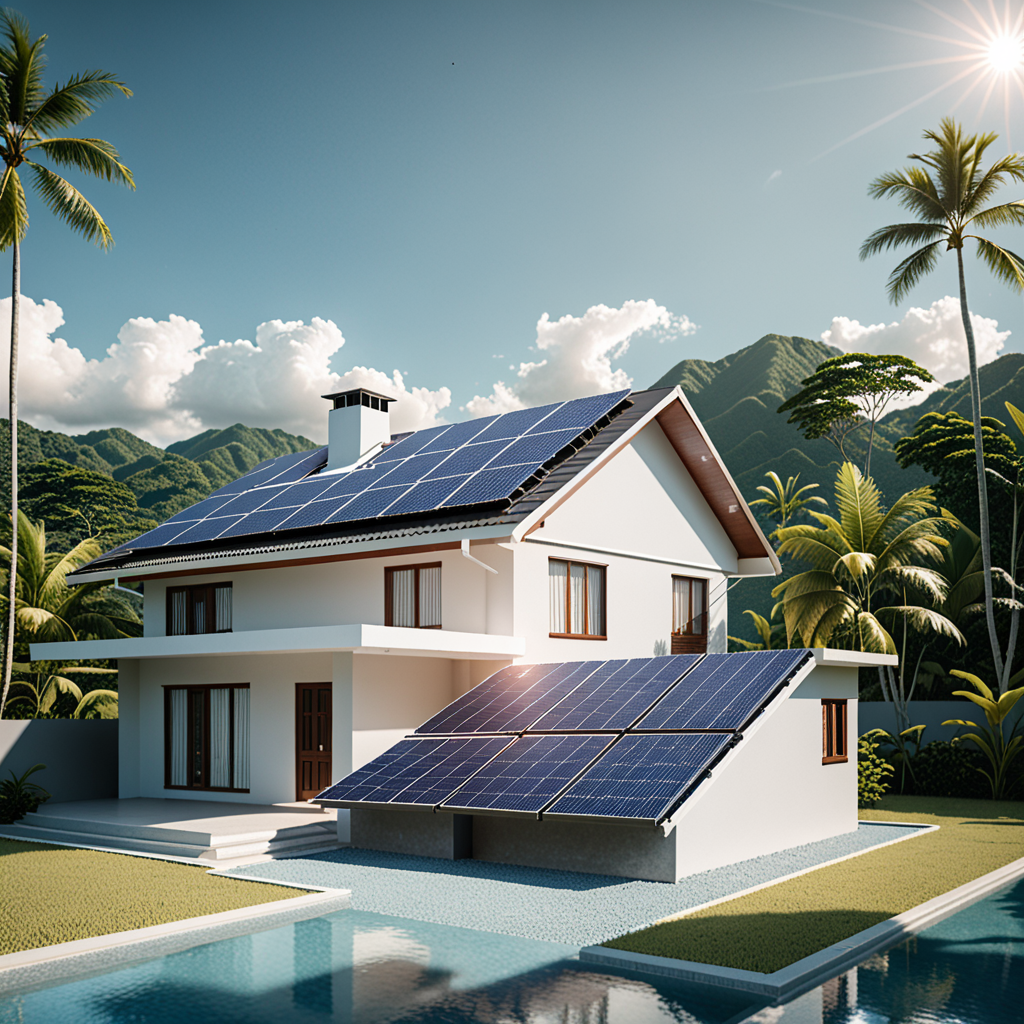
A standard 5kW residential system — panels, inverter, installation, permits — runs PHP 250,000 to PHP 320,000 installed in 2026. That's the number that makes people hesitate. But the financing path you choose changes everything about whether this makes financial sense for your household.
| Financing Type | Upfront Cost | Monthly Cost | You Own It? | Best For |
|---|---|---|---|---|
| Cash Purchase | PHP 250K–320K | PHP 0 | Day 1 ✓ | Maximum lifetime savings |
| Bank / In-House Loan | Low or zero DP | PHP 5,400–5,800 | Day 1 ✓ | Cash-flow-conscious buyers |
| Lease-to-Own | Zero to minimal | PHP 1,500–2,500 | After final payment | Zero-capital entry point |
Monthly Payment Scenarios: Sulit Ba Ang Mag-Loan?
Real number. PHP 280,000 for a 5kW system. Here's what each path actually costs you monthly — stacked against a typical Meralco residential bill of PHP 4,500 to PHP 7,000.
Cash (full payment): PHP 280,000 upfront, zero monthly obligations. A 60–80% bill reduction means most households recover costs in 4–5 years. Everything after that is pure savings.
Bank loan (BDO, BPI, RCBC — 5-year term at 6–9% p.a.): Monthly amortization lands at PHP 5,400–PHP 5,800. Current Meralco bill at PHP 6,500? Your net monthly cost after solar savings drops to roughly PHP 800–PHP 1,500. Saving money from month one, and you own the asset. Pair this with net metering and your DU credits excess generation back to your bill — pushing savings even higher.
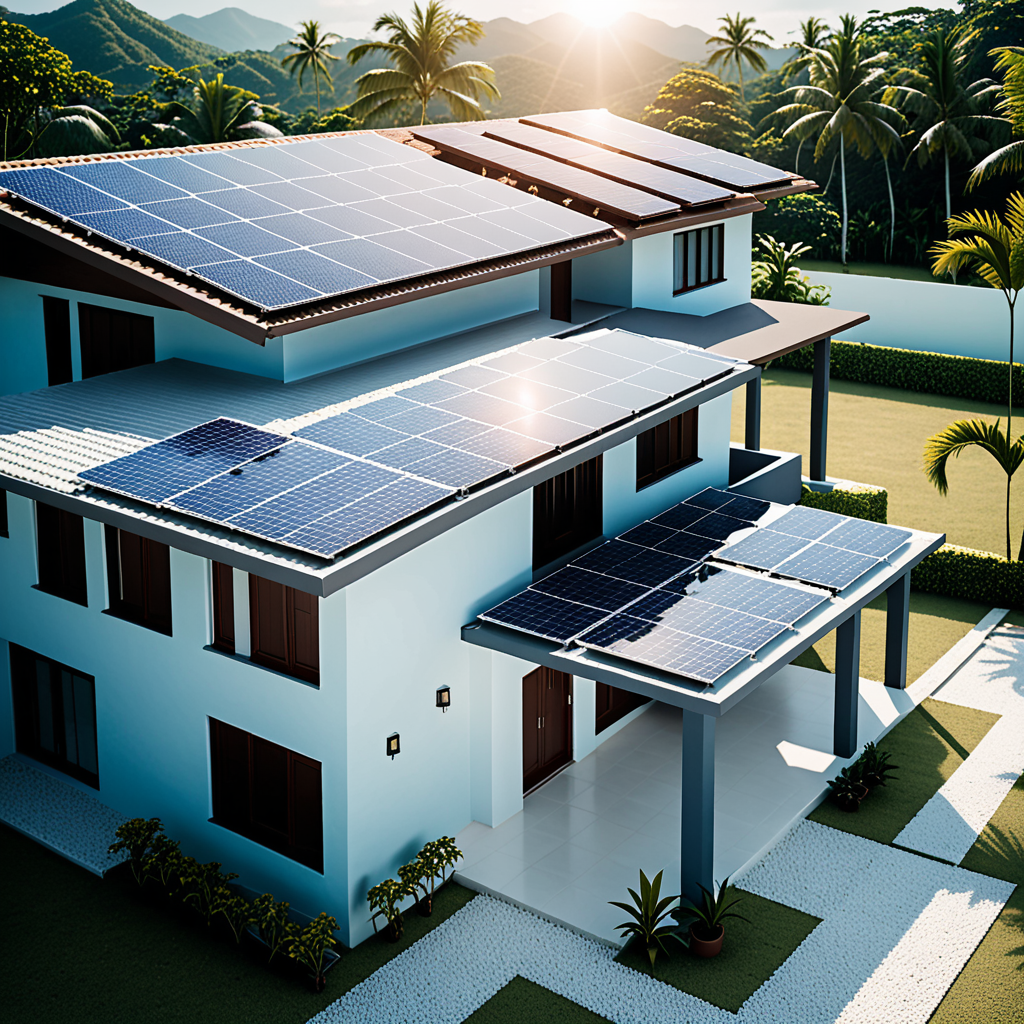
Lease-to-own (7–10 year term): Monthly payments of PHP 1,500–PHP 2,500 look attractive. Run the math over a decade and you're paying PHP 180,000–PHP 300,000 total — without owning anything until the last payment clears. Consider Mang Romy, a Cavite homeowner with a PHP 5,200 bill who chose lease-to-own at PHP 2,000/month because he had zero savings — his effective bill dropped to PHP 1,100, saving PHP 2,100/month. Not the best deal long-term, but it worked. (Mang Romy is a composite based on typical LakaSolar customer profiles.)
"If your singil sa ilaw is above PHP 5,000/month, a loan pays for itself from Day 1. That's not a sales pitch — that's arithmetic."
SMEs and businesses running air-conditioning or refrigeration 8+ hours a day frequently see payback in under 3 years. The math moves faster when consumption is high.
Sino Ang Pwedeng Mag-Apply? Documents and Qualifications
Residential applicants:
- 1 Proof of property ownership (TCT/CCT) or long-term lease of 10+ years
- 2 Latest 3 months of Meralco or VECO electricity bills
- 3 Two valid government-issued IDs
- 4 ITR (BIR Form 1700/1701) or payslips for the last 3 months — required for bank loans
- 5 Proof of income: COE or bank statements
SME/business applicants: SEC or DTI registration, audited financial statements or BIR Form 2303, last 3 months of utility bills, and site inspection clearance from the solar installer. Banks may require business credit history or collateral depending on loan size.
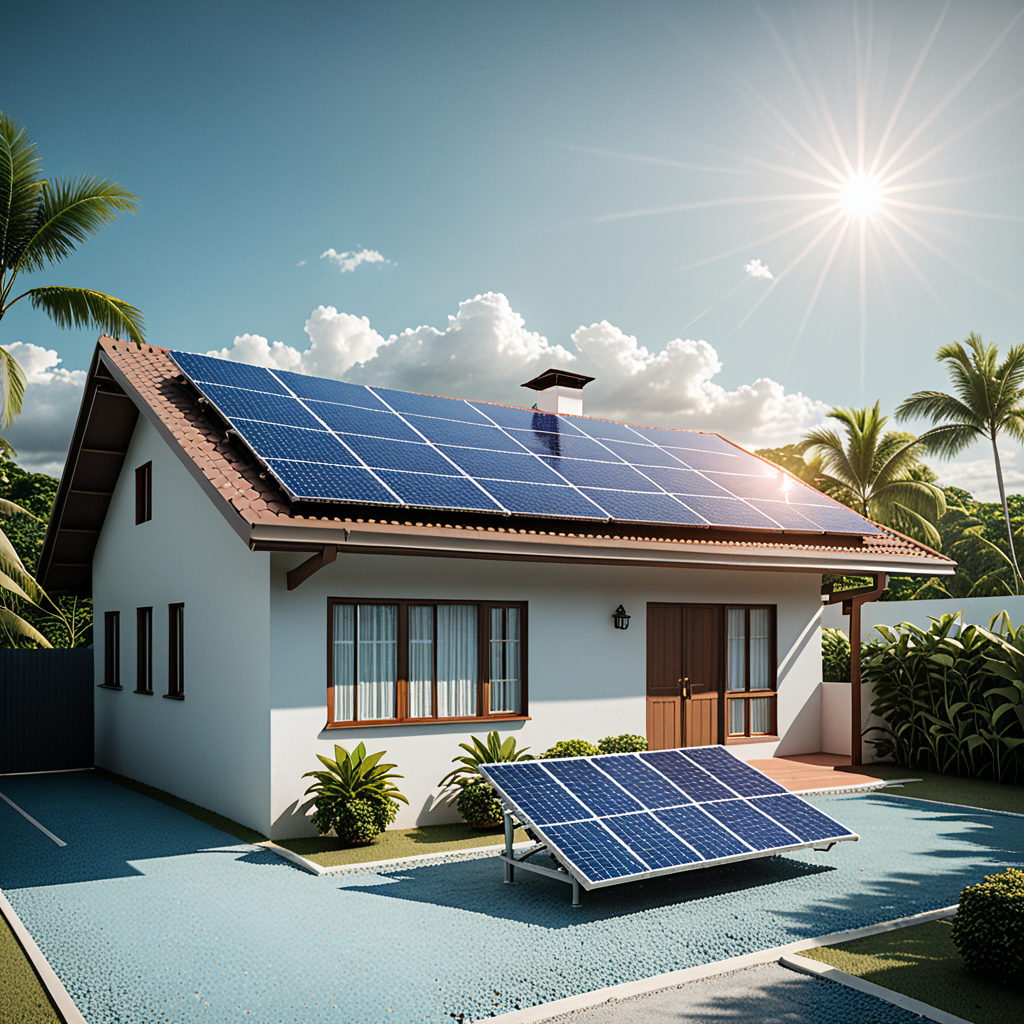
Some solar providers offer in-house financing with lighter documentary requirements than banks — no ITR needed in several cases. If you're self-employed or your books aren't spotless, ask your installer about their own financing terms before assuming a bank is the only door.
Which Option Is Right for You? The Bottom Line
- Have the capital? Cash. Best ROI, zero interest, yours from Day 1.
- Want zero cash-flow disruption? Get a loan — particularly if the monthly amortization is lower than your current Meralco bill. Savings start immediately.
- Zero downpayment required? Lease-to-own works, but ownership comes only at the final payment. Total cost over the term runs higher — read the full contract before signing.
- Running a business? Prioritize a loan or cash. Faster payback and ownership matter more for commercial operations.
Frequently Asked Questions
Pwede bang mag-apply ng solar loan kahit walang titulo?
Yes — several in-house solar financing programs accept a long-term lease agreement (typically 10 years or more) in place of a land title. Bank loans almost always require proof of ownership, so ask your solar provider directly about their financing terms before ruling yourself out.
How long before solar pays for itself in the Philippines?
Cash purchases typically see payback in 4–6 years for residential properties, and 3–4 years for SMEs. With a loan, the system can effectively pay for itself from Day 1 — provided your monthly amortization is lower than your current Meralco or VECO bill.
Is solar financing worth it for SMEs and small businesses?
Almost always yes — and faster than residential. A business running industrial aircon, refrigeration, or production equipment 8+ hours a day can see payback in under 3 years. Because electricity is a direct operating cost, every peso saved drops straight to the bottom line. A loan that costs less per month than your current kuryente bill is a no-brainer for most commercial applicants.
Is lease-to-own solar worth it?
It depends on your position. Lease-to-own has the lowest entry barrier, but total cost over the full term runs higher than a cash purchase or bank loan. If you need immediate savings without upfront capital and plan to stay in the property long-term, it's a legitimate option — just run the full-term math before signing.
What happens if I sell my house before the loan is paid off?
For bank and in-house loans, the outstanding balance typically transfers to the buyer as part of the sale negotiation — or you settle it from the proceeds. For lease-to-own arrangements, check your contract carefully; some providers require a transfer fee or early termination clause.
Conclusion
Solar financing in the Philippines is no longer a premium-only decision. Whether you go cash, bank loan, in-house installment, or lease-to-own, the key variable is the same: does the monthly saving exceed the monthly cost? For most households spending above PHP 5,000 on electricity, the answer is yes — across every financing path.
- Cash gives the fastest payback and highest lifetime return
- Bank loans suit homeowners with existing credit relationships
- In-house financing is the fastest path to panels on your roof
- Lease-to-own works when capital is genuinely unavailable
Ready to find out which financing option fits your situation?
Talk to a LakaSolar Advisor →Free consultation. We'll review your current bills and recommend the financing path that makes the most financial sense for your home or business.
Quick Savings Estimate
Get a Free Quote
Custom system design