
Your solar panels pump out electricity from 7am to 4pm — then the sun sets, and you're right back to paying Meralco. That's the reality for most grid-tied setups. A solar homes battery breaks that cycle. It stores the excess kuryente your panels generate during peak hours so you can use it at night, during brownouts, and on cloudy mornings — cutting your singil sa ilaw to near-zero.
- A solar battery stores daytime solar energy for nighttime use — cutting your Meralco bill to near-zero.
- LiFePO4 (lithium iron phosphate) is the best chemistry for Philippine tropical conditions — longer lifespan, safer, cooler-running.
- A 5–10 kWh home system costs roughly PHP 80,000–220,000 installed.
- Sulit ba? Yes — if your monthly bill exceeds PHP 4,000 or brownouts are a regular problem.
- Payback period with solar + battery: typically 6–7 years. Battery lifespan: 10–15 years.
What a Solar Battery Actually Does (And Why Grid-Tied Isn't Enough)
The catch? Standard grid-tied systems without storage hit Meralco dependence the moment the sun sets. Your panels export excess to the grid. You buy it back at night. You're essentially renting Meralco's storage — at premium rates.

A solar battery breaks that dependency. During peak production (9am–3pm), surplus electricity charges the battery. After sundown, the system discharges — powering your aircon, refrigerator, and lights without pulling a single watt from the grid. Brownout? Your house stays lit. That's the real appeal in VECO territories and Luzon provinces where outages strike without warning.
Take Ramon, a Caloocan homeowner (composite of typical clients). His 5kW solar system saved PHP 2,000 monthly — but he still faced PHP 3,500 bills from nighttime consumption. After installing a 10 kWh battery, his bill cratered to under PHP 400. That's the battery difference.
Battery Types & Top Brands: Ano ang Pipiliin Mo?
Two chemistries dominate the Philippine market. The gap between them is massive.
LiFePO4 (Lithium Iron Phosphate) is the only serious option for tropical climates. It runs cooler than other lithium variants — critical when ambient temperatures hit 35°C — and delivers 4,000–6,000 charge cycles. It won't ignite like older lithium-ion chemistries. Higher upfront cost, yes. But over 10–15 years, it's cheaper than replacing lead-acid units repeatedly.
Lead-Acid tempts with lower sticker prices. Don't bite. You'll replace them every 2–4 years (500–1,000 cycles). Installers see homeowners burn cash on this mistake constantly. By year three, you've paid twice.

| Brand | Chemistry | Capacity | Approx. PHP Price | Warranty |
|---|---|---|---|---|
| Deye | LiFePO4 | 5–20 kWh | PHP 90,000–200,000+ | 10 years |
| Growatt | LiFePO4 | 5–15 kWh | PHP 85,000–180,000 | 5–10 years |
| Pylontech | LiFePO4 | 3.5–7 kWh (modular) | PHP 70,000–140,000 | 5 years |
| Generic Lead-Acid | Lead-Acid | Varies | PHP 20,000–50,000 | 1–2 years |
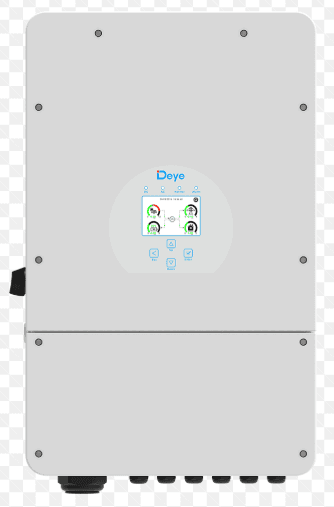
For Philippine weather and long-term ROI, LiFePO4 batteries — especially Deye — are the go-to choice. Deye hybrid inverters often come bundled with compatible batteries, which makes the whole setup simpler.
Magkano? Real PHP Costs, Sizing & Payback Period
"Magkano talaga?" It's the first question everyone asks. Here's the unvarnished truth.
Sizing first. The typical Filipino home consuming 300–500 kWh/month needs 5–10 kWh of storage to cover nighttime loads. Run multiple aircon units overnight? Size up. Skimp here, and you'll still wake up to Meralco dependence.
A 5 kWh installed system runs PHP 80,000–120,000. A 10 kWh setup lands between PHP 150,000–220,000, inclusive of inverter-compatible installation. These are mid-2026 market estimates — prices fluctuate by brand and whether you're in Metro Manila or the provinces.
"If your Meralco bill is PHP 5,000/month, pairing solar panels with a battery can reduce that to under PHP 500 — that's savings of roughly PHP 4,500/month, or PHP 54,000/year."
Solar panels alone pay back in 3–5 years — but you keep paying for every kilowatt after dark. Add a battery, and payback stretches to 6–7 years. The trade-off? Near-zero nighttime bills and blackout immunity. For VECO customers or anyone in brownout-prone areas, that insurance value alone often justifies the cost.
A 10 kWh LiFePO4 battery, paired with a properly sized 5–10kW solar system, can eliminate 80–100% of a typical Filipino household's Meralco dependency — effectively making your home energy-independent by nighttime.
Paano Mag-Install? 4 Steps Before You Buy

-
1Audit your kWh usage. Pull your last 3 Meralco or VECO bills. Focus on kilowatt-hours consumed monthly — not just the peso total. This number dictates your system size.
-
2Size your system correctly. Overbuying wastes capital; underbuying leaves you grid-dependent. Demand a professional load analysis from a qualified solar company before signing anything.
-
3Choose a hybrid inverter-compatible battery. Deye and Growatt hybrid inverters sync seamlessly with their own battery lines. Buying mismatched components is an expensive error.
-
4Hire a BEE-accredited installer. The Board of Electrical Engineering licenses professionals who can legally install solar battery systems in the Philippines. This matters for safety, warranty validity, and Meralco net-metering approval.
Yes — if you have frequent brownouts or your Meralco bill exceeds PHP 4,000/month, a solar battery pays for itself within 6–7 years and lasts 10–15 years after that. You're not just cutting bills; you're off Meralco's grid after dark. With Philippine electricity rates still climbing, every year you wait is money left on the table.
Mga Madalas Na Tanong (FAQ)
Magkano ang solar battery sa Pilipinas?
A home solar battery in the Philippines costs approximately PHP 80,000–220,000 installed, depending on capacity (5–10 kWh) and brand. LiFePO4 batteries like Deye and Growatt cost more upfront but last 10–15 years — making them the better long-term value versus cheaper lead-acid options that need replacing every 3–4 years.
Can I add a battery to my existing solar panel system?
Yes — if you have a hybrid inverter (like Sungrow, Deye, or Growatt), you can add a compatible battery at any time. If your current inverter is a standard grid-tied unit only, you'll likely need to upgrade the inverter as well. Factor that additional PHP 25,000–60,000 cost into your budget before deciding.
Is a solar battery worth it in the Philippines?
For most Filipino homeowners with Meralco bills above PHP 4,000/month or those in brownout-prone areas — absolutely. A solar battery eliminates nighttime grid dependence and keeps your home running during outages. Payback is typically 6–7 years; the battery itself lasts 10–15 years, giving you nearly a decade of savings after breakeven.
For many Filipino homeowners, a solar battery is the missing piece that makes solar actually worth it. If you're ready to stop paying for kuryente you already generated, the math makes the decision for you.
Ready to cut your Meralco bill to near-zero?
Get a free solar battery sizing consultation from LakaSolar — we handle everything from load analysis to BEE-accredited installation across the Philippines.
Get Your Free Solar Battery Quote →Bottom Line
- A solar battery costs PHP 60,000–200,000 installed — LiFePO4 chemistry gives the best long-term value.
- Most Filipino households recoup the cost in 6–7 years and enjoy nearly a decade of savings after breakeven.
- Homeowners in brownout-prone areas or on Meralco bills above PHP 4,000/month benefit most.
- Pair with a hybrid inverter (Sungrow, Deye, Growatt) for maximum flexibility and future expansion.
- Available tax incentives and net metering under the Renewable Energy Act improve ROI further.
Quick Savings Estimate
Get a Free Quote
Custom system design