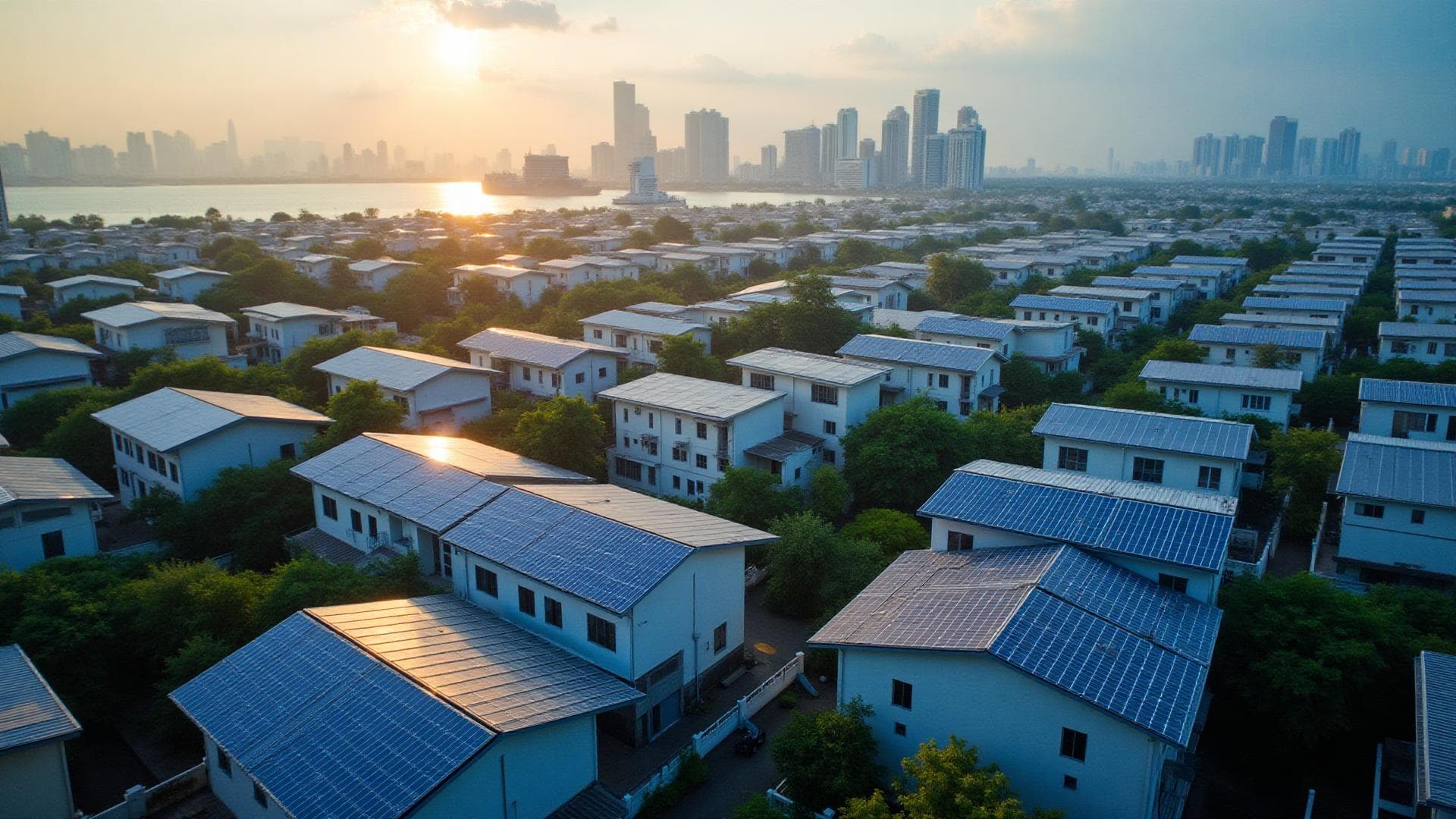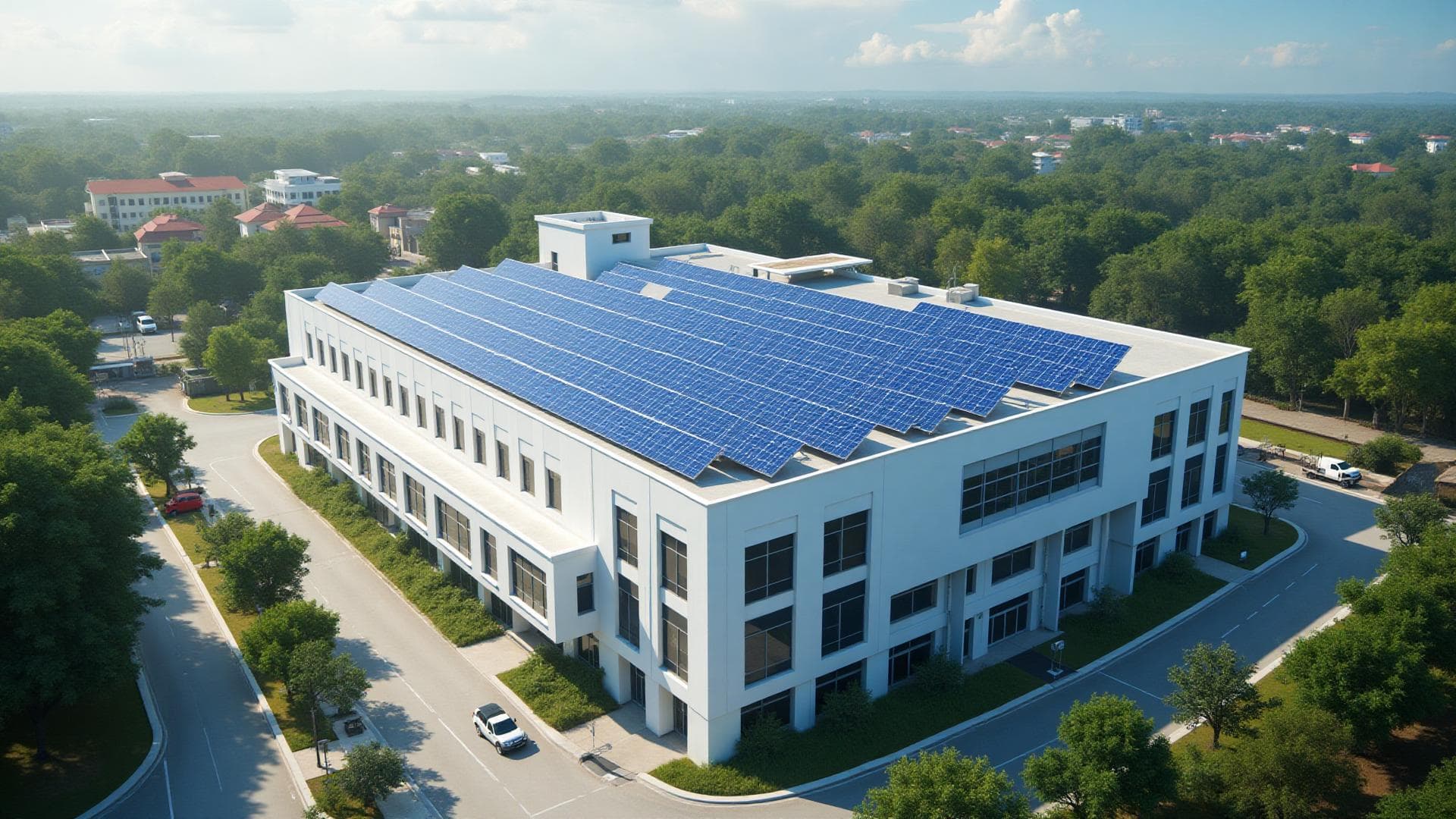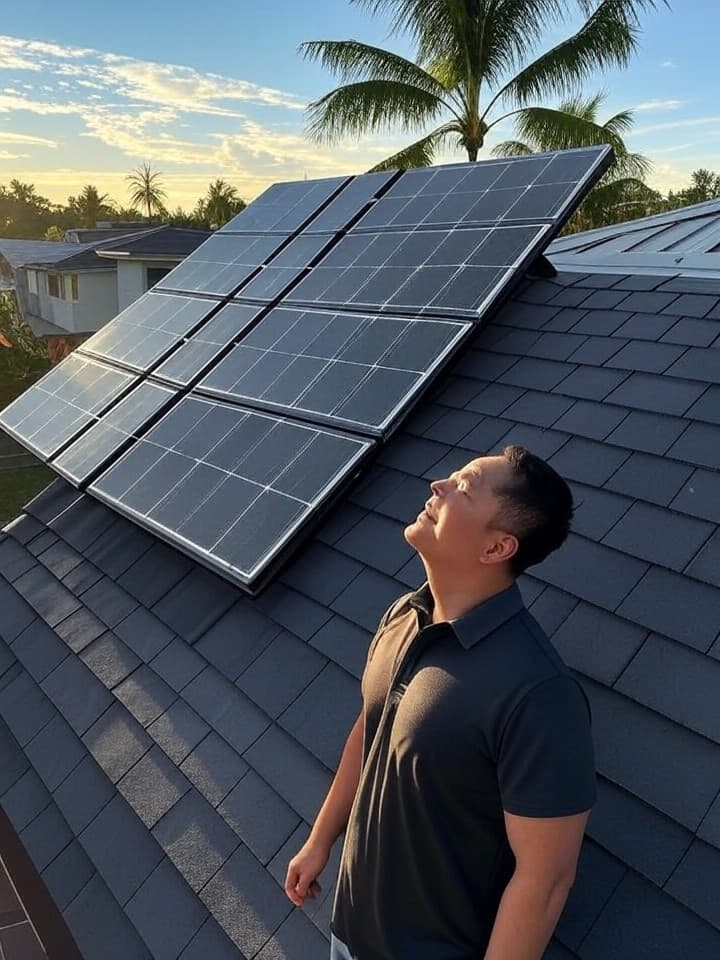

Meralco bill vs solar panel savings Philippines 2026 — that's the calculation Filipino homeowners are finally running in earnest. Rates have crept past PHP 12/kWh. Bills that used to sting now genuinely hurt. So here's the straight answer most installers won't give you upfront: for most households spending PHP 3,000 or more a month on kuryente, solar pays for itself. The math is not complicated. The numbers follow.
- Average Meralco residential rate in 2026 is roughly PHP 11–13/kWh all-in.
- A typical PHP 5,000/month household can save PHP 3,500–4,000/month with a properly sized solar system.
- Most homeowners break even on their solar investment in 4–7 years.
- Net metering lets you sell excess power back to Meralco, shrinking your singil sa ilaw even further.
- Roof condition, shading, and HOA rules matter — solar isn't one-size-fits-all.
Magkano ang Typical Meralco Bill — and Why It Keeps Climbing
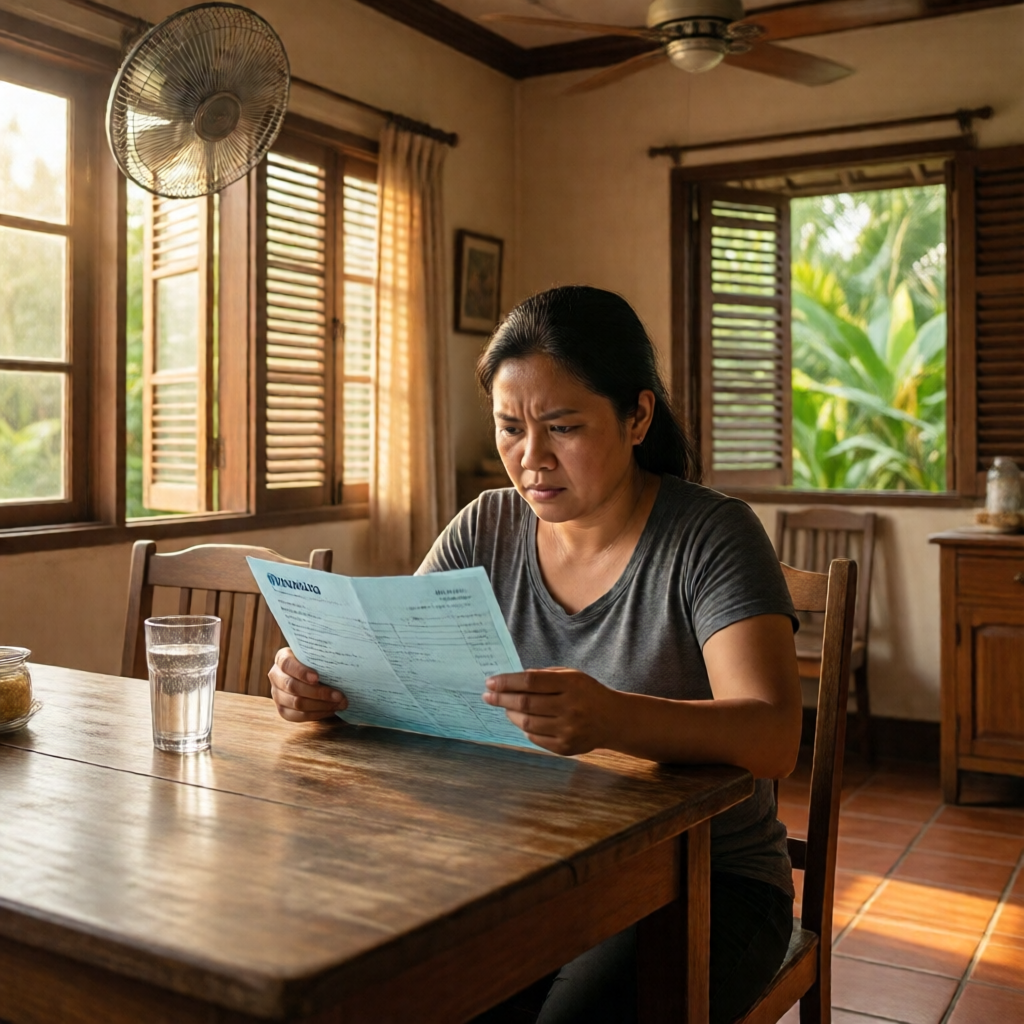
The average Filipino household pays PHP 3,000 to PHP 8,000 a month for electricity, depending on location, appliance load, and whether the aircon runs through the night. Meralco's all-in residential rate in 2026 lands at roughly PHP 11–13/kWh once generation charges, transmission, distribution, and taxes stack up. VECO customers in the Visayas see comparable figures. Every few months, generation charges tick upward — fuel costs, grid upgrades, peak summer demand. That's not speculation; it's the consistent pattern for the past decade, and there's no structural reason it changes.
Sulit Ba? Real Solar Savings Breakdown for Philippine Homes
No inflated projections, no best-case-scenario promises. These figures assume a grid-tied solar system with Meralco net metering approved, and 5–6 peak sun hours per day — the realistic average across most of Luzon and the Visayas. System size is matched to actual household consumption.
| Household Size | Monthly Meralco Bill | Suggested System Size | Estimated Monthly Savings |
|---|---|---|---|
| Small (2–3 rooms, minimal aircon) | ~PHP 2,500 | 2–3 kW | PHP 1,500–1,800 |
| Medium (3–4 bedrooms, 1–2 aircons) | ~PHP 5,000 | 4–5 kW | PHP 3,500–4,000 |
| Large (5+ rooms, multiple aircons) | ~PHP 10,000 | 8–10 kW | PHP 7,000–8,000 |
These are ranges, not guarantees. Your actual savings depend on your self-consumption rate — how much solar generation you use directly versus export to the grid — plus whether net metering gets approved and how sun hours vary by season. Households running aircon heavily actually have better ROI: more of the solar output displaces expensive grid power directly rather than being exported at buyback rates.
Most Philippine homeowners recover their solar investment within 4–6 years. After that, every peso of savings is pure upside — for the remaining 20+ year lifespan of the system.
Paano Mag-Compute ng ROI: Simple Formula for Filipino Homeowners
Three numbers. That's all this calculation needs: monthly savings, annual savings, and total system cost.
-
1Find your monthly solar savings. Average your last three Meralco bills. A properly sized solar system offsets 70–90% of that — the offset is your monthly savings figure.
-
2Multiply by 12 for your annual figure. PHP 4,000/month × 12 = PHP 48,000 saved per year.
-
3Divide total system cost by annual savings. A 5 kW system in the Philippines runs roughly PHP 250,000–350,000 installed (2026 pricing). PHP 300,000 ÷ PHP 48,000 = 6.25 years to break even.
-
4After break-even, it's free electricity. Most solar panels from Tier 1 brands carry a 25-year output warranty. Six years to payback leaves 19 more years of savings. Do the math — it's significant.
Net metering lets you sell excess solar energy back to Meralco at the distribution utility's approved buyback rate. On sunny weekday afternoons when the house is empty, your panels quietly bank credits that reduce your next singil sa ilaw. It won't make you rich — but it does shorten your payback period.
Consider a homeowner in Quezon City — call her Karen, a composite of what installers see routinely — averaging PHP 6,800 a month before going solar. After a 5 kW grid-tied installation and net metering approval, her monthly bill dropped below PHP 1,500. Payback period: just under six years. She's in year three and already ahead of that projection.
"The first month after installation, I almost didn't believe my Meralco bill. Thirty years of paying that much kuryente — and now this."
— the response installers hear constantly
Bottom Line: Is Going Solar Worth It in the Philippines?
For most Filipino homeowners with a monthly kuryente bill of PHP 3,000 or more, going solar in 2026 is worth it. The numbers hold up, the technology is mature, and Meralco's net metering program works. That said, solar is not right for every home — roof condition, age, and available south-facing area all matter. Shading from trees or neighboring structures cuts output meaningfully. If you're in an HOA, check their rules before signing anything.
The honest caveat: upfront cost is real — PHP 200,000 to PHP 400,000 depending on system size — and payback takes years, not months. But with electricity rates moving in only one direction, locking in your own generation now is a sound financial decision for most Filipino homeowners.
Mga Tanong na Madalas Itanong (FAQ)
How much can I save on my Meralco bill with solar panels in the Philippines?
It depends on system size and consumption habits. A 5 kW grid-tied solar system can reduce a PHP 5,000 monthly bill by PHP 3,500–4,000. Larger systems covering high-consumption households can save PHP 7,000–8,000 a month. Any reputable installer should produce a site-specific estimate based on your actual usage history — not a generic brochure figure.
How long before solar panels pay for themselves in the Philippines?
Most homeowners hit payback between four and seven years. A household saving PHP 4,000 a month banks PHP 48,000 a year — meaning a PHP 280,000 system breaks even in under six years. Every peso of savings after that date goes directly back into your household budget.
Can I use solar even if I'm a Meralco customer with net metering?
Yes. Meralco accepts net metering applications for residential solar systems up to 100 kW, consistent with the Renewable Energy Act. Your installer handles most of the paperwork. Approval takes a few months, but once it's in, excess generation credits accumulate on your bill automatically. The process is slower than anyone wants — but it works.
Are solar panels worth it for renters or condo owners in the Philippines?
Generally no — not in the traditional sense. You need landlord or HOA approval, roof access rights, and a long enough lease to recover costs. Some developers are beginning to offer shared solar arrangements in newer condo buildings. If you rent, the better move is to push your building management toward a building-wide system and negotiate it into your lease terms.
Bottom Line
Solar in the Philippines is no longer a luxury decision — it's a straightforward financial calculation. Electricity rates are high, sunlight is abundant, and government policy actively supports residential adoption. Most homeowners who install a properly sized grid-tied system see payback within five to seven years and enjoy two decades of reduced bills after that.
The mistakes that hurt people — undersizing, skipping net metering, choosing unaccredited installers — are all avoidable. Get multiple quotes, verify ERC accreditation, and run the numbers against your actual Meralco bill. The math almost always works in your favor.
Running a solar business or managing project income in the Philippines?
Track contractor payments, generate professional pay stubs, and stay on top of project earnings — all in one place.
Create a Pay Stub Free — Payhroll →Quick Savings Estimate
Get a Free Quote
Custom system design