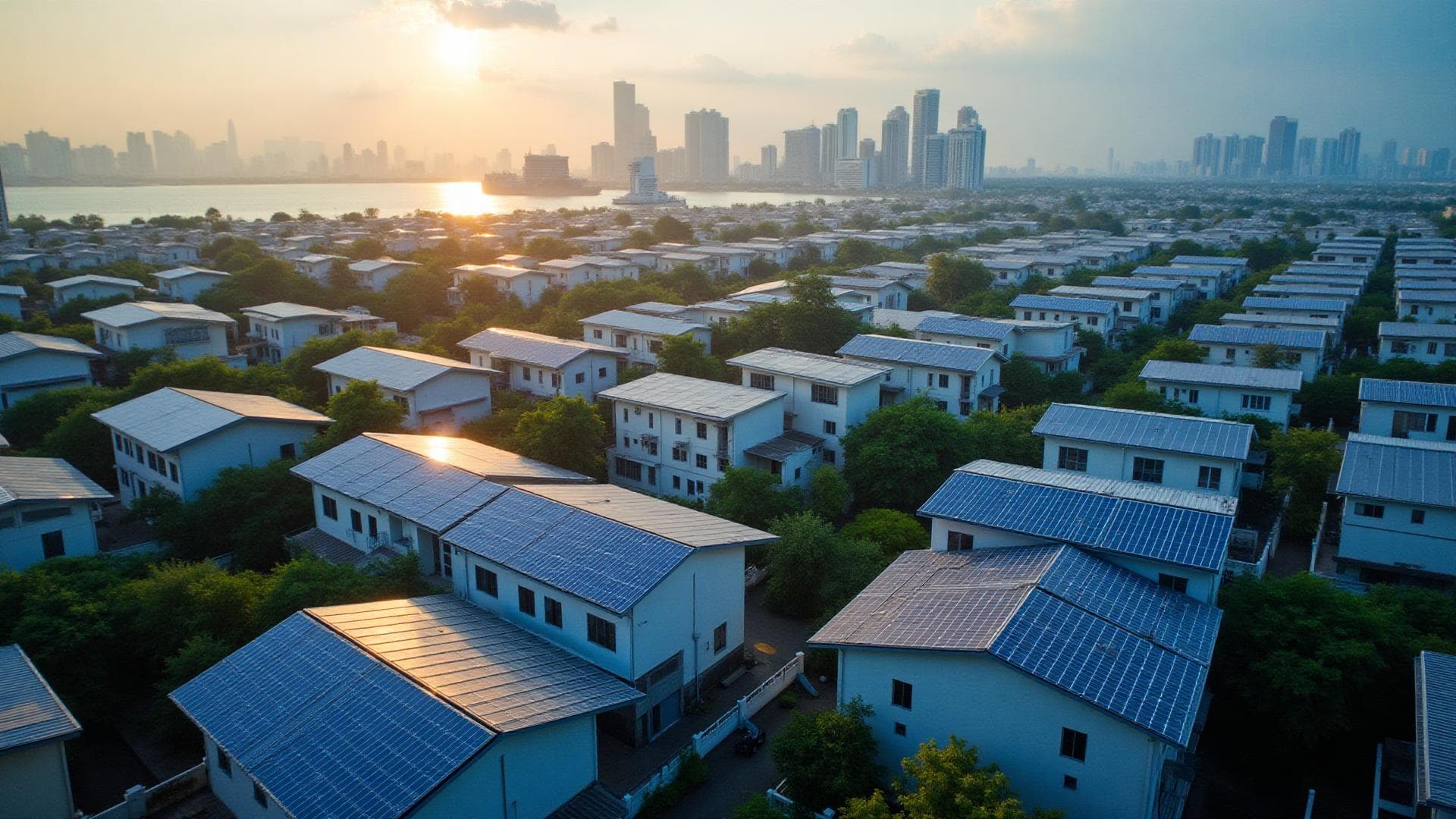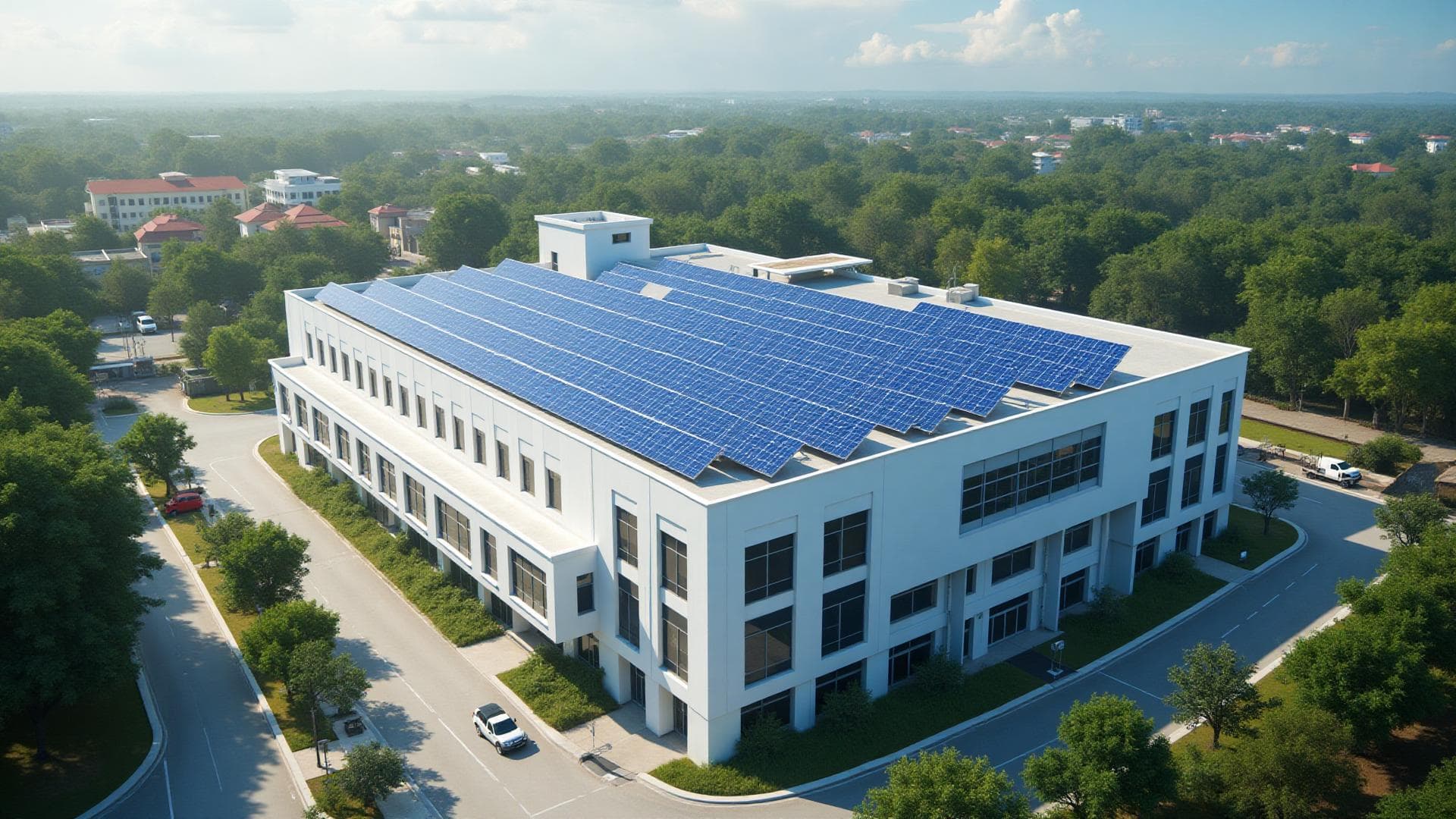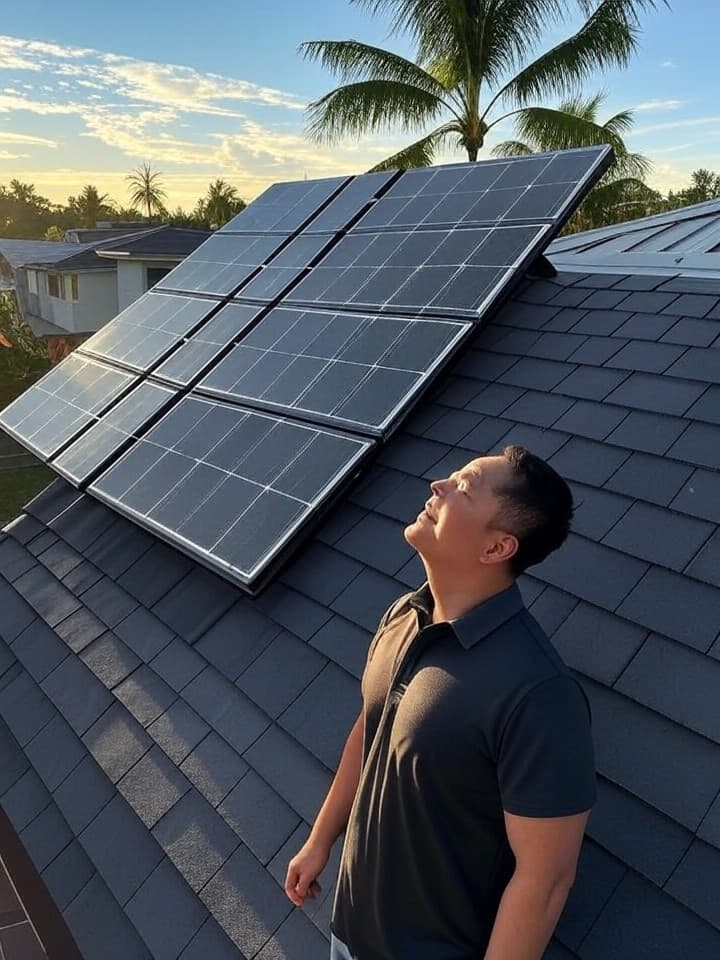
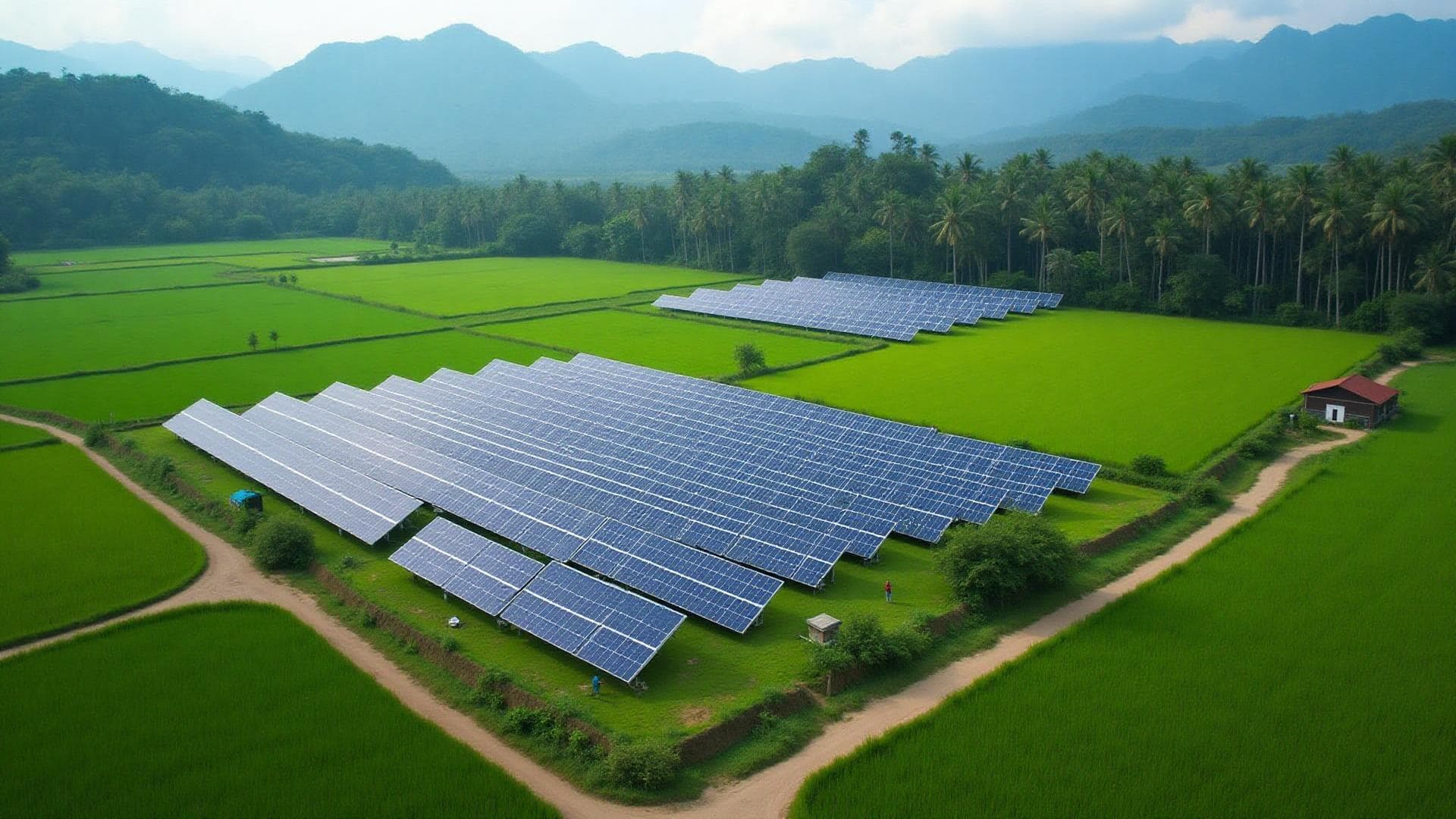
A homeowner in Quezon City just cut her monthly Meralco bill from PHP 18,000 to PHP 2,500. The secret? A 10kW solar system installed last year. With electricity rates climbing and brownouts still happening in some areas, more Filipinos are doing the math on solar — and the numbers actually work.
- 10kW solar systems cost PHP 450,000–650,000 installed in the Philippines (2026 pricing)
- Payback period: 0.9–1.5 years for grid-tied, 2–3 years with battery backup
- Generates 40–50 kWh/day, saving PHP 440,000–650,000 annually on kuryente
- Ideal for homes spending PHP 15,000+/month on electricity or small businesses
- 150–200 sq meters of rooftop space needed
Magkano ang 10kW Solar System sa Philippines?
As of February 2026, expect to pay PHP 450,000 to PHP 650,000 for a complete 10kW solar installation in the Philippines. The price variation depends on component quality, your location, and whether you're going grid-tied or hybrid with battery backup.
Here's where your money goes:

Regional pricing varies slightly. Metro Manila installations run PHP 20,000–50,000 higher than provincial areas like Cebu or Davao due to logistics and labor costs. VECO service areas in Visayas tend to sit in the middle range.
A 10kW system is the sweet spot for average Filipino households running multiple air conditioners or small businesses with moderate daily consumption. Smaller than this and you won't offset enough of your bill. Larger and you're probably oversized unless you're running a commercial operation.
System Breakdown: Ano ba ang kasama sa package?
A complete 10kW solar package includes these core components:
- 20–25 solar panels (400W monocrystalline each) — the workhorses that capture sunlight
- Inverter system (5kW hybrid or string inverter) — converts DC power from panels to AC power your appliances use
- Mounting structure — aluminum rails designed for Philippine concrete roofs and typhoon wind loads
- DC/AC breakers and wiring — safety systems and electrical connections
- Monitoring system — tracks daily generation via smartphone app
The big decision: grid-tied versus hybrid.
Grid-Tied System
No battery backup. Cheaper upfront (PHP 450,000–550,000). Solar power flows directly to your home and excess goes to the grid via Net Metering. When the sun sets or during brownouts, you pull from Meralco/VECO as usual.
Hybrid System
Includes battery storage (PHP 600,000–650,000+ total). You store excess solar energy and use it at night or during outages. Essential if you experience frequent brownouts or want true energy independence.
Quality matters in the Philippines. Our tropical humidity kills cheap electronics. Reputable local suppliers use tier-1 panels (Jinko, Longi, Canadian Solar) and inverters rated for high-temperature operation. Don't cheap out — a system failure in year 3 wipes out your savings.
ROI Timeline: Kailan mo mababawi ang investment?
Let's do the actual math using current Meralco rates.
A 10kW system in Metro Manila generates roughly 40–50 kWh per day depending on roof orientation and shading. That's 40,000–50,000 kWh annually. At Meralco's average rate of PHP 11–13 per kWh (varies by consumption bracket), you're saving:
Annual savings: PHP 440,000 to PHP 650,000

Payback timeline:
- Grid-tied system (PHP 450,000–550,000): 0.9 to 1.5 years
- Hybrid with battery (PHP 600,000–650,000): 2 to 3 years
After payback, you're essentially getting free electricity for the remaining 20+ year lifespan of the panels. That's PHP 8–13 million in total savings over the system's lifetime.
Net Metering boosts ROI further. Meralco and most distribution utilities credit you for excess power exported to the grid, which you can use during cloudy days or at night. VAT exemptions on solar equipment are still in effect for 2026, saving you another 12% upfront.
Hidden Costs & Things to Consider
Beyond the system price, budget for these additional expenses:
- Permit fees: PHP 8,000–15,000 (varies by local government unit)
- Electrical inspection: PHP 3,000–5,000
- Structural assessment: PHP 5,000–12,000 if your roof needs reinforcement (older homes, weak trusses)
- Annual maintenance: PHP 5,000 (panel cleaning, inverter checks)
Battery backup adds PHP 150,000–250,000 to the total package. Honestly, most Metro Manila homes don't need it — grid-tied with Net Metering handles 95% of situations. But if you're in an area with regular brownouts or running critical medical equipment, hybrid makes sense.
Sulit ba talaga ang 10kW system para sa'yo?
Quick qualification test — you're a good candidate if you check these boxes:
- Monthly kuryente bill: PHP 15,000 or higher
- Rooftop space: 150–200 square meters available and unshaded
- Roof condition: Structurally sound concrete or metal roof less than 15 years old
- Location: Anywhere in Luzon, Visayas, or Mindanao with decent sun exposure

If your bill is under PHP 10,000 monthly, a smaller 5kW system might be more cost-efficient. Run the numbers first.
Financing options are expanding. Several solar installers now offer installment plans (0% interest for 12–24 months) or help you apply for green energy loans through banks like BPI and BDO. You can start saving
Quick Savings Estimate
Get a Free Quote
Custom system design